
From molecular architecture and cell-line engineering to industrial bioprocessing, purification and the extraordinary science of building antibodies that recognise more than one biological target.
When One Antibody Is No Longer Enough
An antibody is one of the most elegant molecular structures produced by biology. It recognises a target with extraordinary specificity, recruits biological functions through a carefully evolved architecture, and operates within a chemical environment of astonishing complexity. For decades, biotechnology has taken advantage of that elegance to develop monoclonal antibodies capable of changing the treatment of cancer, autoimmune disorders, infectious diseases and numerous other conditions. Yet a new generation of biologics is moving beyond the traditional assumption that a therapeutic antibody should recognise only one target.
Bispecific antibody manufacturing sits at the centre of this quiet revolution.
Bispecific antibodies are engineered proteins designed to recognise two different antigens or epitopes—sometimes in the same breath—unlocking mechanisms no conventional monoclonal antibody can achieve through a single binding embrace. Some draw immune effector cells into intimate contact with malignant cells. Others interrupt complementary signalling pathways, coax biological factors into functional proximity, or exploit spatial relationships that once demanded an entire suite of independent molecules.
The premise feels almost indecently simple: if one antibody can know one target, why not teach it to know two? Nature, however, guards its most elegant ideas with exacting demands. A bispecific antibody may contain multiple distinct polypeptide chains, asymmetric molecular interfaces, engineered domains, specialised disulphide bonds and delicately balanced structural relationships. Every chain must be expressed, every interface assembled, every product purified and characterised with a precision that borders on obsession—so the final therapeutic molecule arrives consistent, pure, and ready to perform.
For a biopharmaceutical sponsor, the challenge therefore extends beyond molecular invention. A promising candidate must become a reproducible manufacturing process, a characterised biological product, a stable formulation and ultimately a medicine that can be supplied reliably. At Sophia CDMO, we approach this problem through integrated molecular understanding, upstream and downstream process development, analytical science and advanced manufacturing strategy. Our European biomanufacturing presence in Pamplona, Spain, and Basel, Switzerland, provides a foundation for connecting biotechnology innovation with the demands of industrial production.
Innovación internacional: una nueva generación de anticuerpos
En Sophia CDMO, nos entusiasma el desarrollo de anticuerpos biespecíficos y multiespecíficos, una de las áreas más fascinantes de la biotecnología moderna. Estas proteínas pueden reconocer distintas estructuras moleculares y facilitar nuevas estrategias terapéuticas, especialmente en oncología, inmunología y enfermedades complejas. Su fabricación exige conocimientos avanzados de ingeniería de proteínas, cultivo de células CHO, purificación, análisis estructural y control de calidad. Como organización internacional de desarrollo y fabricación biofarmacéutica, Sophia CDMO trabaja para conectar la innovación científica con procesos industriales sólidos. Invitamos a investigadores, empresas emergentes y compañías farmacéuticas de España, América Latina y el resto del mundo a explorar nuevas oportunidades de colaboración con nuestro equipo.
The Molecular Revolution: From Monoclonal to Multispecific Antibodies
The history of therapeutic antibodies can be understood as a progressive expansion of biological possibility. Early monoclonal antibody technologies demonstrated that highly specific binding proteins could be developed against selected molecular targets. Subsequent advances in recombinant DNA technology, humanisation, molecular engineering and mammalian cell culture transformed those discoveries into an industrial class of medicines.
The conventional immunoglobulin G (IgG) antibody remains a particularly useful starting point. Its characteristic Y-shaped architecture consists of two heavy chains and two light chains connected through covalent and non-covalent interactions. The antigen-binding regions provide specificity, while the fragment crystallisable (Fc) region contributes functions associated with pharmacokinetics, immune effector engagement and interactions with Fc receptors.
This architecture is remarkably effective because it combines structural stability with biological adaptability. Recombinant protein engineering allows scientists to modify its variable regions, alter Fc-related properties, and construct new molecules while retaining selected characteristics of conventional antibodies.
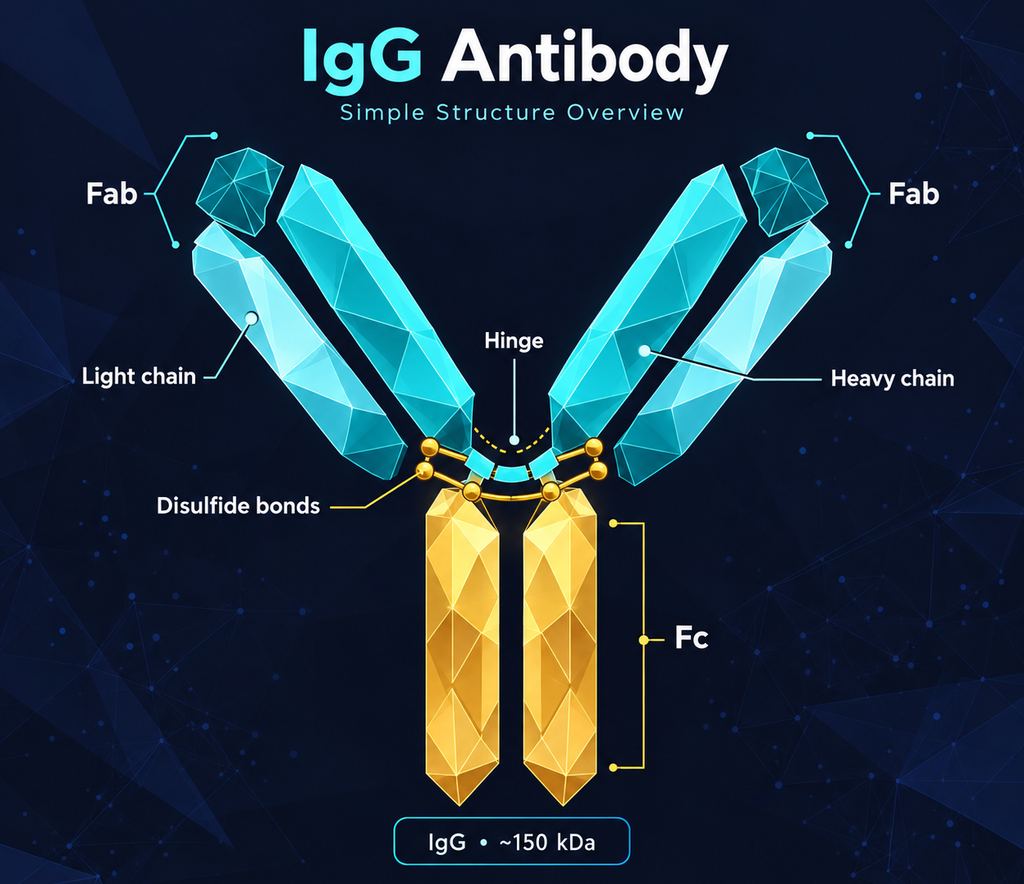
Bispecific technologies extend this architecture in several directions.
Some molecules preserve much of the conventional IgG structure but incorporate two different antigen-binding arms. Others use smaller antibody-derived fragments, such as single-chain variable fragments (scFvs), connected through engineered peptide linkers. Certain formats combine antibody-like domains with additional binding proteins, while others use entirely different arrangements intended to optimise tissue penetration, receptor engagement or molecular geometry.
These structural differences have practical consequences. A full-length IgG-like bispecific may offer familiar Fc-dependent pharmacokinetic properties and compatibility with established mammalian production processes. A smaller fragment-based molecule may offer different penetration characteristics or pharmacological behaviour but require a different approach to stability, manufacturing and formulation.
The manufacturing process must therefore begin by understanding the architecture rather than assuming all bispecifics behave like conventional monoclonal antibodies.
A single molecule can execute multiple biological functions
One of the most compelling applications of bispecific antibodies is immune-cell redirection.
Consider a molecule engineered to bind a tumour-associated antigen with one region and CD3 on a T cell with another. In the appropriate biological context, the bispecific can bring those cells into proximity and promote a functional interaction capable of activating an antitumour immune response.
The therapeutic mechanism depends upon more than the presence of two binding sites. Their spatial arrangement, relative affinities, binding kinetics, target expression, cellular distribution and resulting immune signalling all contribute to biological performance.
A molecule can possess excellent affinity for each target individually and still perform poorly when its complete biological mechanism is assessed. Conversely, carefully selected binding characteristics and geometries may support effective biological function without maximising affinity in every molecular interaction.
Other bispecific architectures simultaneously interfere with two receptor systems, combine complementary therapeutic pathways, or create biological relationships between targets that would otherwise remain functionally separate.
The design possibilities are extensive, but every additional structural requirement introduces questions that must eventually be answered through manufacturing and analytical development.
IgG-like, fragment-based and multispecific architectures
For sponsors evaluating a manufacturing platform, several important molecular categories deserve distinction.
IgG-like bispecific antibodies retain a structural framework resembling a conventional immunoglobulin. They are commonly developed using engineering approaches intended to encourage correct heavy-chain association and, where relevant, correct light-chain pairing.
Fragment-based bispecific antibodies may use scFvs, Fab fragments or other binding-domain arrangements to create smaller proteins with specialised biological properties.
Fc-fusion and hybrid antibody formats combine binding domains with Fc-containing or other structural elements to alter molecular behaviour, stability or pharmacokinetics.
Multispecific antibodies extend the concept further, incorporating the capacity to recognise three or more distinct epitopes or biological targets. The increase in functional complexity can be scientifically attractive, but it often expands the number of possible assembly products and changes the analytical burden.
Importantly, a molecule’s classification does not completely determine its manufacturing strategy. Two superficially similar bispecific antibodies may have very different assembly efficiency, aggregation tendencies, charge profiles or stability characteristics because of differences in their underlying sequences and structures.
A capable CDMO must distinguish the general advantages of an antibody platform from the actual behaviour of the sponsor’s candidate.
For Sophia CDMO, this is where technical development begins: by connecting the intended molecular mechanism to a manufacturing strategy that preserves the attributes responsible for therapeutic function.
The Architecture of Correct Assembly: When Protein Chains Must Find Their Partners
An antibody molecule is the product of a highly organised sequence of molecular events. Polypeptide chains are expressed, transported through cellular compartments, folded, associated and processed before the assembled protein is secreted into the surrounding culture medium.
For a conventional IgG, two identical heavy chains and two identical light chains generally assemble into a symmetric structure. This arrangement is biologically complex, but its symmetry simplifies certain aspects of molecular assembly.
For an asymmetric IgG-like bispecific antibody, the problem changes substantially.
The desired molecule may require two different heavy chains and two different light chains. Those four molecular components must associate in the correct arrangement, despite the existence of alternative combinations that may also be chemically capable of forming.
In other words, successful expression does not guarantee successful assembly.
A culture can produce impressive quantities of antibody-related protein while generating a distribution of molecular species rather than the intended single product.
Heavy-chain mispairing and unwanted homodimers
Imagine a bispecific molecule designed with two heavy chains, H1 and H2, that must associate to create the intended heterodimer.
If the chains associate without sufficient molecular preference, three broad heavy-chain combinations become possible: H1–H1, H2–H2 and H1–H2.
Only the heterodimer may possess the desired therapeutic architecture.
The other combinations can produce unwanted species that are structurally similar to the target molecule and potentially difficult to separate during purification.
Protein engineering addresses this problem through strategies that promote the intended association.
One of the best-known approaches is knobs-into-holes engineering, in which complementary changes are introduced at a heavy-chain interface to favour heterodimer formation. Other approaches use engineered electrostatic interactions, interface modifications or alternative structural designs.
These technologies are powerful because they change the probability of assembly at the molecular level. Rather than asking a downstream purification process to solve every assembly problem, they improve the starting distribution of molecules entering that process.
Yet preferential heavy-chain association addresses only part of the challenge.
The light-chain problem
When two distinct light chains are present, each must associate with its corresponding heavy-chain partner. Incorrect pairing can create products that retain much of the intended antibody’s overall structure while displaying altered antigen-binding properties.
Such species are particularly troublesome because they may resemble the correctly assembled product in molecular mass, hydrodynamic behaviour, charge or affinity-capture characteristics.
A conventional purification assay can therefore report a high overall percentage of antibody-like material while failing to establish whether every molecule contains the correct arrangement of chains.
This distinction becomes essential during process development.
Several engineering strategies address light-chain pairing, including common-light-chain architectures, domain-exchange approaches such as CrossMab, and engineered interfaces intended to favour cognate heavy–light chain association.
Each approach solves particular molecular constraints and introduces its own development considerations.
Common-light-chain approaches can simplify assembly by eliminating the need to distinguish two different light chains. However, the requirement for a shared light chain can constrain antibody discovery and molecular design.
Domain-exchange strategies provide another route, but their manufacturability still depends upon the resulting molecular architecture, expression behaviour and impurity profile.
Engineering therefore requires a balance between molecular freedom and manufacturing discipline.
The strongest design is not necessarily the construct containing the largest number of engineered features. It is the construct in which those features contribute to a therapeutic and manufacturable product.
An analytical illustration: the combinatorial assembly problem
Consider the simplest conceptual case in which H1 and H2 are equally available and randomly associate as unordered heavy-chain pairs.
Under those idealised conditions, H1–H1 and H2–H2 each account for approximately one quarter of the possible pairings, while H1–H2 accounts for approximately one half.
Now introduce two distinct light chains, each capable of pairing with either heavy chain.
The number of possible assembled molecular arrangements increases further, and the fraction of correctly assembled material may decline substantially.
This is an illustration of combinatorial complexity, not a prediction of actual manufacturing yield. Real systems have unequal expression rates, selective association, folding constraints, cellular quality-control mechanisms, engineered pairing preferences and numerous kinetic effects.
Nevertheless, the principle is revealing.
Every additional independent assembly decision creates another opportunity for an undesired molecular species to form.
The most effective solution is to design the product and process so that the correct molecular arrangement is intrinsically favoured, rather than relying entirely upon downstream removal of incorrect products.
Recent research into bispecific production has reinforced the importance of heavy-chain and light-chain interface engineering, molecular characterisation and tailored purification strategies. A useful scientific overview is provided in Trends and Challenges in Bispecific Antibody Production, published in the Journal of Chromatography A in 2025.
Why this matters to the sponsor
A sponsor may initially report three encouraging results: successful expression, strong binding to both intended antigens and an apparently favourable antibody titre.
Those findings are important, but they do not yet establish a commercially manufacturable molecule.
The next questions concern the percentage of correctly assembled product, the nature of alternative species, the stability of the desired architecture, the purification burden and the relationship between molecular integrity and biological potency.
An unexpectedly large product-related impurity population can reduce recovery, increase process complexity and complicate the specification strategy. If purification requires an unusually narrow operating range or repeated chromatography steps, the manufacturing cost may become difficult to justify.
These risks also affect development timelines. A sponsor that discovers major assembly problems after significant upstream optimisation may need to redesign the molecule, revisit the cell line, or develop a more selective downstream process.
Sophia CDMO approaches bispecific antibody manufacturing by treating molecular architecture, expression, assembly and purification as interdependent aspects of one technical programme. The objective is to establish a manufacturing route in which molecular design and process design strengthen one another.
CHO Cell Line Development: Building the Biological Production System
Chinese hamster ovary cells have become one of the foundational expression platforms for recombinant therapeutic antibodies. Their success reflects decades of accumulated knowledge in mammalian cell biology, recombinant expression, controlled cultivation, process development and industrial manufacturing.
CHO cells provide a mammalian cellular environment capable of supporting complex protein folding, disulphide bond formation, glycosylation and secretion. These characteristics make them particularly valuable for antibody-based therapeutics whose structure and biological activity depend upon post-translational processing.
However, a CHO cell is not simply a container into which an antibody gene can be inserted.
It is a dynamic biological production system containing interconnected metabolic pathways, protein-folding machinery, secretion networks, stress responses and regulatory processes. The cell must express the intended molecular components in suitable proportions while maintaining growth, productivity and acceptable product quality.
The distinction is especially important when multiple distinct polypeptide chains must be produced.
Cell line construction and expression balance
The starting point for CHO-based bispecific antibody manufacturing is the design and introduction of an appropriate expression system.
Depending upon the molecule and development platform, the construct strategy may involve multiple expression cassettes, separate vectors, engineered chain ratios or genetic configurations intended to support coordinated expression.
For asymmetric bispecific antibodies, the relative expression of different heavy and light chains can influence the formation of the desired molecule.
An excess of one chain may contribute to alternative assembly products, increase intracellular stress or create an imbalance that affects secretion efficiency. Conversely, insufficient expression of a required chain may restrict productive assembly even when other components are abundant.
The objective is therefore not simply to maximise the expression of every component independently.
It is to establish an expression system that generates a high proportion of correctly assembled, biologically functional material while maintaining stable production characteristics.
A useful early development programme examines several questions together:
- Does the candidate cell line produce the intended molecular species consistently?
- Are chain-expression differences influencing assembly efficiency?
- What is the relationship between cell productivity and correctly assembled product yield?
- How do culture conditions affect aggregation, fragmentation and other product-related attributes?
- Does the resulting cell line maintain suitable stability over the intended production period?
These questions create a more informative basis for clone selection than antibody concentration alone.
CHO-DG44, CHO-K1 and production-platform selection
Different CHO-derived platforms offer established routes to recombinant protein production.
CHO-DG44 cells are historically associated with dihydrofolate reductase (DHFR)-based selection and gene-amplification systems. CHO-K1-derived platforms are widely used in commercial cell-line development, often with different selection technologies and proprietary expression systems.
Platform selection depends on the characteristics of the candidate molecule, the available cell-line development technology, licensing considerations, analytical requirements and intended manufacturing strategy.
For example, a sponsor transferring a programme with an existing CHO-DG44 Master Cell Bank may already possess substantial process-development information. The immediate question is whether that material can support the intended next phase of development, what additional characterisation is needed and how the manufacturing process can be transferred effectively.
Building a new cell line is not automatically the best solution to every process problem. Existing biological materials, expression stability data, product-quality results and regulatory documentation may have considerable development value.
Sophia’s integrated approach is intended to preserve that value while identifying the changes needed for future manufacturing.
Master Cell Banks and Working Cell Banks
A Master Cell Bank (MCB) is a controlled, characterised collection of cells established from a selected production cell line. A Working Cell Bank (WCB) is typically derived from the MCB and provides material for routine manufacturing campaigns.
The banking strategy establishes a biological reference point for production.
For a complex antibody programme, the bank must be considered together with genetic identity, expression construct integrity, productivity, product quality and relevant microbiological and adventitious-agent safety requirements.
The regulatory framework provided by ICH Q5D, available through the FDA, addresses the derivation and characterisation of cell substrates used in biological-product manufacturing.
Cell-bank evaluation may involve identity testing, genetic characterisation, stability assessment, examination of the expression system, and a risk-based programme for detecting microbial or adventitious contamination.
The nature of the studies depends upon the host, production system, product, development stage and applicable regulatory expectations.
For a bispecific antibody, the relationship between bank stability and product assembly deserves particular attention. A genetically stable cell line must also continue to deliver a suitable distribution of correctly assembled material as the process develops.
Genetic stability and the passage problem
Mammalian production cells undergo repeated expansion before entering a manufacturing bioreactor.
During this progression, the cell population experiences changing growth conditions and multiple opportunities for selection pressure, metabolic adaptation and variation in expression behaviour.
An expression system may perform well during initial clone selection yet exhibit altered productivity or product-quality characteristics after extended cultivation.
This matters when a sponsor expects the selected clone to support multiple manufacturing campaigns and future scale increases.
A robust stability assessment should consider the duration of the intended production process, the generation history of the cells, the consistency of the expression construct and the behaviour of important product attributes.
The goal is not merely to demonstrate that cells remain alive.
The goal is to establish confidence that the production system continues to manufacture the intended biological product.
The final cell bank is, in a very real sense, a stored manufacturing capability: a living foundation from which future batches can be reproduced.
Glycosylation, Folding and the Molecular Quality of CHO-Produced Antibodies
An antibody’s amino acid sequence provides the foundation for its molecular structure, but the final therapeutic product is shaped by a far more intricate cellular process.
Nascent polypeptide chains must fold, form appropriate disulphide bonds, assemble into higher-order structures and undergo relevant post-translational modifications. In mammalian expression systems, glycosylation is particularly important because carbohydrate structures can influence antibody stability, immune interactions, clearance and other biological properties.
For many Fc-containing antibody formats, N-linked glycans attached within the Fc region contribute to molecular behaviour and interactions with Fc receptors.
The specific effect depends upon the antibody architecture and intended mechanism of action.
For example, changes in Fc glycan composition can influence certain effector functions, while glycosylation in or near an antigen-binding region may affect binding or structural behaviour.
A bispecific molecule designed primarily for receptor blockade may have different functional priorities from one that relies on immune effector recruitment.
Consequently, glycosylation control should be linked to the intended biological function rather than treated as a generic exercise in producing uniform carbohydrate profiles.
The cell culture process influences product quality
Media composition, nutrient supply, culture duration, metabolic by-products, pH, dissolved oxygen and other conditions can influence the characteristics of a CHO-derived product.
Cellular metabolism and protein-processing pathways respond dynamically to their environment.
This creates an important principle for process development: two cultures producing similar antibody titres may not produce antibody material of equivalent quality.
One process may favour a desirable glycosylation distribution but display increased fragmentation. Another may achieve a higher concentration while producing more aggregates or a different distribution of charge variants.
A third may offer superior assembly efficiency but prove less robust as culture conditions change.
The manufacturing strategy must evaluate these outcomes together.
For sponsors, this is where a sophisticated analytical programme becomes commercially valuable. Methods capable of characterising molecular structure and biological function can inform changes to the upstream process before unwanted product attributes become difficult to correct.
A deeper technical question: are all glycans equally important?
For a typical Fc-containing IgG, the conserved Fc glycosylation site is associated with important structural and functional properties. However, the precise distribution of glycoforms can vary among expression systems, culture conditions and manufacturing processes.
The significance of these differences depends on the therapeutic mechanism.
Afucosylation, for example, can increase interaction with certain Fc gamma receptors and enhance antibody-dependent cellular cytotoxicity in relevant antibody formats. Other glycan characteristics may influence stability, receptor interactions or pharmacokinetic behaviour.
Yet these relationships should never be interpreted as universal rules that apply identically to every engineered bispecific.
A format with altered Fc functionality may have a different set of critical attributes from a conventional IgG.
Similarly, a construct containing additional engineered domains can introduce conformational or accessibility effects that change the relationships between glycosylation, binding and biological activity.
This is precisely why the development of complex biologics benefits from an integrated understanding of molecular engineering, cell biology and pharmaceutical analytics.
The question is not simply whether a particular glycan is present.
The important question is what that molecular attribute contributes to the actual therapeutic product and how consistently the manufacturing process can control it.
Upstream Process Development: The Bioreactor as a Molecular Environment
An industrial bioreactor is often described through its engineering specifications: working volume, agitation, gas delivery, temperature control, instrumentation and automation.
Those specifications are essential, but they describe only the physical framework.
Inside the vessel, millions or billions of living cells respond continuously to changes in nutrients, oxygen availability, carbon dioxide, metabolite concentrations, shear conditions and the surrounding chemical environment.
The process is therefore both an engineering system and a living biological system.
For bispecific antibody manufacturing, upstream development must optimise the conditions under which those systems interact while preserving the molecular attributes required for the final therapeutic product.
Fed-batch, perfusion and process selection
Fed-batch cultivation remains an important production mode for mammalian antibody manufacturing.
Cells are cultivated in a controlled environment while nutrients are added during the production run. The process aims to support viable cell growth, maintain productivity and manage environmental conditions across the culture period.
Perfusion-based approaches provide an alternative in which fresh medium is supplied while spent medium and metabolites are removed, typically using a cell-retention system.
Perfusion can support high viable cell densities and extended production periods, but it also introduces additional engineering considerations, including retention-device performance, media consumption, process control and downstream integration.
There is no universal process mode that is best for every antibody.
A fed-batch process may be well suited to a particular clone, facility configuration and production strategy. Another candidate may benefit from a perfusion approach when productivity, product stability or the desired manufacturing model supports that choice.
The correct decision depends upon more than titre.
It includes the biological quality of the product, equipment compatibility, operational robustness, cost of goods, contamination risk, development timeline and the intended commercial supply model.
Productivity, quality and the problem with impressive titres
A frequently reported upstream performance metric is titre, usually expressed as a concentration of product in the culture harvest.
Titre is valuable, but it is incomplete.
A high titre may coexist with significant levels of incorrectly assembled species, aggregates, fragments or other product-related impurities.
For complex antibodies, the more meaningful commercial question is how much acceptable product can ultimately be recovered.
A useful conceptual relationship is:
Recovered desired product = Harvested product mass × Fraction of correctly assembled product × Downstream recovery
This simplified relationship excludes several practical considerations, including product losses during formulation, sampling, storage and fill-finish. Nevertheless, it illustrates why upstream concentration alone can be misleading.
Suppose one culture achieves a titre of 5 g/L, with 60% of the harvested antibody-related material corresponding to the intended assembly. A second culture reaches 4 g/L, with 90% correctly assembled material.
Before downstream losses, the first process contains approximately 3 g/L of intended product, while the second contains 3.6 g/L.
The culture with the lower total titre may therefore offer more recoverable therapeutic material.
Actual manufacturing decisions require validated analytical measurements, an appropriate definition of intended-product fraction and an assessment of product quality. But the general lesson is important: a higher titre does not necessarily produce a better manufacturing process.
A technically successful programme must optimise the quality-adjusted output of the system.
Oxygen transfer, carbon dioxide and cellular metabolism
Mammalian cultures require carefully managed gas transfer.
Dissolved oxygen must be controlled within an appropriate range, while carbon dioxide accumulation can affect cellular physiology, pH regulation and potentially product quality.
The relationships among gas delivery, agitation, cell density, vessel geometry, pressure, gas stripping and metabolic activity become increasingly important as the process scales.
At laboratory scale, a culture may benefit from comparatively favourable mixing and gas-transfer conditions. At manufacturing scale, the geometry and dynamics of the vessel change.
This means a process cannot be considered successfully scaled merely because the same nominal pH, temperature and dissolved oxygen setpoints have been entered into a larger bioreactor.
Engineers must consider oxygen transfer capacity, mixing time, carbon dioxide removal, shear exposure, foam formation and the practical behaviour of the selected equipment.
The familiar volumetric mass-transfer coefficient, often represented as kLa, is useful in understanding gas-transfer performance. However, it is only one aspect of the overall process and does not independently establish biological comparability between reactors.
A robust scale-up strategy examines the combined response of the cells and product to the manufacturing environment.
Lactate, ammonia and metabolic control
CHO cells consume nutrients and generate metabolic by-products. Among the most widely monitored are lactate and ammonia, which can influence cell physiology and product quality when present at unfavourable concentrations.
Glucose and glutamine metabolism are important in this context, although the behaviour of individual cell lines varies.
Media composition and feeding strategy affect growth, energy metabolism and the distribution of cellular resources between maintenance, proliferation and recombinant protein production.
The challenge is to create a suitable metabolic environment without introducing unnecessary process complexity.
A culture that grows rapidly during the early phase may later experience a shift in metabolite production, viability or product quality. A feeding strategy that initially appears efficient may become less effective as the cell population changes.
This is where process development becomes an exercise in biological interpretation rather than simply adjusting pumps and setpoints.
The best operating strategy is informed by measured cellular behaviour and the quality of the product being manufactured.
Process analytical technology and real-time understanding
Modern upstream operations increasingly incorporate automated data collection, online sensors, at-line measurements and multivariate approaches to understanding bioprocess performance.
Measurements can include pH, dissolved oxygen, temperature, viable cell concentration, metabolites and selected indicators of process performance.
Process analytical technology (PAT) offers a framework for using such information to improve process understanding and control.
In advanced programmes, data from multiple variables can be evaluated together to identify relationships that would be difficult to detect through isolated measurements.
For instance, an apparent change in productivity may be associated with altered nutrient availability, metabolic behaviour or a transition in cell physiology.
However, real-time measurements of the culture environment should not be confused with direct proof that every antibody molecule is correctly assembled.
That still requires appropriately selected analytical methods.
The value of modern process monitoring lies in its ability to connect upstream behaviour with downstream outcomes and product attributes.
For Sophia CDMO, this connection is central to developing manufacturing processes that are both scientifically informed and commercially reproducible.
The final measure of upstream success
The central achievement of an upstream process is the production of a useful biological harvest with sufficient consistency to support the subsequent purification and manufacturing stages.
For an advanced antibody, that harvest contains more than the intended therapeutic molecule.
It contains a complex mixture of proteins, cellular components, metabolites, potentially misassembled antibody species and other process-related materials. The composition of this mixture reflects the genetic system, cellular physiology, cultivation conditions and decisions made throughout process development.
Every one of those decisions influences the technical work that follows.
The bioreactor creates molecular possibility. The next challenge is to separate that possibility from everything the process has produced alongside it.
Downstream Purification: Separating the Intended Antibody from Molecular Complexity
A successful mammalian cell culture harvest represents the beginning of a second manufacturing challenge. The bioreactor has produced a complex biological mixture containing the intended antibody, host cell proteins, nucleic acids, cellular metabolites, product-related variants and potentially several incorrectly assembled molecular species. The downstream process must transform that mixture into a purified, structurally defined therapeutic product while preserving its biological function.

For conventional monoclonal antibodies, purification strategies have benefited from decades of industrial development. Protein A affinity capture, ion-exchange chromatography, polishing operations and membrane-based processing have become established elements of biopharmaceutical manufacturing. Bispecific molecules can benefit from this technological foundation, but their asymmetric architectures create additional separation challenges. An unwanted antibody homodimer, for example, may possess the same Fc-binding properties as the desired heterodimer. A successful Protein A capture step can therefore recover both molecules rather efficiently. Unfortunately, chromatography cannot be impressed into recognising the correct molecular architecture simply because the manufacturing team would prefer it.
This is why bispecific antibody manufacturing requires downstream strategies based on the actual molecular characteristics of the candidate. Purification is not merely the removal of foreign impurities. It may also require discrimination among highly similar versions of the therapeutic molecule itself.
Protein A capture and alternative affinity approaches
For compatible Fc-containing bispecific formats, Protein A chromatography can provide an effective initial capture operation. Its selectivity for appropriate immunoglobulin Fc structures allows substantial enrichment of antibody-related material from the cell culture harvest.
However, affinity capture does not necessarily discriminate between correctly assembled bispecific molecules and unwanted Fc-containing species. The usefulness of Protein A depends upon the molecular format, its binding characteristics and the distribution of impurities present in the starting material. Antibody fragments and other Fc-free constructs may require alternative capture technologies.
In some engineered antibody systems, differential affinity properties can become part of the purification strategy. Carefully selected Fc engineering approaches, asymmetric binding characteristics or alternative affinity ligands may help distinguish the intended product from specific unwanted assemblies. These approaches must be evaluated against yield, product stability, ligand compatibility and the final quality requirements.
The central principle remains consistent: molecular design and purification design should evolve together.
Chromatographic selectivity and the art of molecular separation
Ion-exchange chromatography separates proteins according to their interactions with charged stationary phases under defined solution conditions. Because antibody variants may differ in charge-related characteristics, ion-exchange methods can provide valuable selectivity when appropriately developed.
Hydrophobic interaction chromatography offers another separation mechanism, exploiting differences in protein surface hydrophobicity. Mixed-mode chromatography combines multiple interaction principles and can be particularly useful when conventional techniques do not provide sufficient separation.
A technically demanding purification programme may evaluate several orthogonal technologies before selecting a practical process. The best process is not necessarily the one producing the highest apparent purity during an isolated laboratory experiment. It must also provide acceptable recovery, predictable scale-up, product stability, operational robustness and reasonable manufacturing economics.
For certain molecules, a narrowly selective purification method may look excellent in a small experimental study but prove difficult to operate reproducibly at manufacturing scale. A robust process must tolerate realistic variability in feed composition, equipment conditions and operating parameters without compromising critical product attributes.
Sophia CDMO: Integrated downstream process development
Sophia CDMO offers an advanced development framework for complex antibody purification, incorporating the scientific and manufacturing disciplines required to progress from early protein production toward clinical and commercial supply.
Our capabilities and programme offerings encompass:
- Harvest clarification, depth filtration and feedstream characterisation.
- Fc-compatible affinity capture and alternative antibody-fragment purification strategies.
- Protein A chromatography process development and optimisation.
- Cation-exchange and anion-exchange chromatography.
- Hydrophobic interaction and mixed-mode chromatography.
- Separation of antibody homodimers, heterodimers and mispaired molecular species.
- Aggregate, fragment and charge-variant reduction.
- Host cell protein and residual host cell DNA clearance.
- Viral clearance strategy and appropriate validation planning.
- Ultrafiltration, diafiltration and buffer-exchange development.
- Process-yield optimisation, scale-up and downstream technology transfer.
- In-process analytical monitoring and purification process characterisation.
- GMP-oriented downstream process integration and manufacturing support.
For sponsors, the advantage is a coordinated technical programme rather than a disconnected sequence of purification experiments. Sophia supports the evaluation of multiple separation approaches, identifies the characteristics that determine process performance and connects analytical findings with manufacturing decisions.
We consider this integration a defining strength of our position among the world’s leading specialist biotechnology CDMOs. The ability to understand a difficult molecule, select appropriate manufacturing technologies and progress toward reliable production is what ultimately gives process development its commercial value.
7. Advanced Analytical Characterisation: Proving the Molecule Is the Molecule
A bispecific antibody can appear convincing on paper. It may possess the expected nominal molecular mass, bind both intended targets in separate assays and display an apparently acceptable level of purity. Yet none of these observations, individually, proves that the complete molecular population possesses the correct architecture.
Analytical characterisation must therefore establish more than the presence of antibody-related material. It must investigate molecular identity, assembly, structural integrity, heterogeneity, biological activity and the relationship between measurable attributes and the intended therapeutic mechanism.
In bispecific antibody manufacturing, this distinction is fundamental. A molecule containing an incorrectly paired light chain may retain a similar overall mass to the desired product. A structurally altered antibody may continue to bind one target while losing the ability to engage the second. A preparation with high apparent monomer purity may nevertheless contain molecular populations with different functional properties.
The most informative analytical strategy uses complementary methods that examine different aspects of the product. Rather than seeking one instrument capable of answering every question, scientists construct a body of evidence in which orthogonal measurements support a coherent understanding of molecular identity and quality.
Structural identity, chain pairing and molecular mass
Mass spectrometry has become a powerful tool for the characterisation of complex antibody molecules. Intact-mass analysis can provide information about the overall molecular mass and selected forms of molecular heterogeneity. Reduced analysis separates disulphide-linked chains and allows the investigation of individual chain masses, while middle-up and peptide-mapping approaches provide additional structural resolution.
For asymmetric antibody formats, targeted analyses can help determine whether the correct chains have assembled and whether unexpected molecular species are present. Disulphide mapping and peptide-level investigations can provide information about covalent structure, sequence-related modifications and selected structural abnormalities.
The analytical challenge becomes particularly interesting when two molecular species contain similar components arranged differently. Their masses may be identical or nearly indistinguishable, even though their biological functions differ substantially. In such cases, separation methods, targeted structural techniques and functional assays become essential complements to mass spectrometry.
A nominally correct mass is an important piece of evidence. It is not the complete molecular story.
Aggregation, fragmentation and charge heterogeneity
Size-exclusion chromatography is commonly used to examine the distribution of monomeric material and higher-molecular-weight species. Capillary electrophoresis, including CE-SDS, can provide information about molecular size-related heterogeneity under appropriately selected conditions. Ion-exchange chromatography and capillary isoelectric focusing may help characterise charge-related variants.
Each method reveals a different aspect of the product.
Aggregation may influence stability, manufacturing recovery and potentially immunogenicity-related risk. Fragmentation can indicate susceptibility to proteolysis or other degradation processes. Charge heterogeneity can arise through several mechanisms, including deamidation, terminal processing or other molecular modifications.
For a bispecific molecule, the interpretation of these observations must account for its engineered structure. Some variants may have limited functional significance, while others could affect target binding, receptor interactions, stability or other critical properties.
This is why analytical development should be informed by biological mechanism and product knowledge rather than driven exclusively by generic purity targets.
Binding is not the same as biological function
A bispecific antibody intended to engage two biological targets should be evaluated through appropriately designed target-binding studies. Surface plasmon resonance and biolayer interferometry can help examine binding interactions and kinetic parameters. Cell-based binding assays can provide additional context when target presentation and cellular environment are important.
However, demonstrating two separate binding events does not necessarily establish the intended simultaneous or sequential biological mechanism.
Consider a T-cell-engaging bispecific. A complete functional strategy may require assessment of binding to both target populations, cellular engagement, T-cell activation, cytokine responses and target-cell killing. The relevant assays must reflect the molecule’s intended mechanism of action, and the relationship between different measurements needs careful interpretation.
For other bispecific formats, the appropriate biological endpoints may involve receptor signalling, ligand neutralisation, pathway inhibition or another mechanism entirely.
There is no universal potency assay suitable for every multispecific architecture.
The analytical programme must be designed around the molecule.
Sophia CDMO: Advanced analytical and biocharacterisation services
Sophia supports sponsors with analytical development and integrated quality strategies spanning molecular identification, structural characterisation, purity assessment, functional testing and manufacturing comparability.
Relevant analytical services include:
- Intact, reduced and middle-up mass spectrometry.
- Peptide mapping and sequence confirmation.
- Disulphide bond mapping and structural investigations.
- SEC-HPLC and aggregate analysis.
- CE-SDS under reducing and non-reducing conditions.
- Charge-variant analysis, including ion-exchange and electrophoretic methods.
- Glycan profiling and glycosylation characterisation.
- Differential scanning calorimetry and thermal-stability investigations.
- Higher-order structural characterisation.
- Binding affinity and kinetic measurements.
- Dual-target binding and appropriate bridging assays.
- Cell-based potency and functional biological assays.
- Host cell protein and residual DNA testing.
- Method qualification, validation planning and stability-indicating method development.
- Product comparability and analytical technology transfer.
These methods form an integrated analytical toolkit, with the selected testing programme determined by the candidate’s molecular architecture, development stage and regulatory objectives.
Sophia’s technical approach links analytical development directly to manufacturing decisions. A change in product-related impurity levels can inform cell-culture optimisation. A shift in glycosylation can prompt investigation of upstream conditions. A change in functional potency can initiate focused structural studies.
Good analytics do more than tell a sponsor whether a batch passes a specification. They help explain why the batch behaves as it does.
8. GMP Manufacturing: From a Promising Molecule to a Reliable Medicine
A successful research programme establishes biological possibility. A successful manufacturing programme turns that possibility into a product that can be reproduced, evaluated, supplied and ultimately administered under a defined regulatory framework.
The transition demands a different kind of discipline. Experiments that work well in a research laboratory must become documented processes with controlled materials, qualified equipment, appropriate procedures, trained personnel, defined quality responsibilities and an increasingly mature understanding of process variability.
For complex biologics, the difficulty is amplified by the relationship between the manufacturing process and the product’s molecular properties. Cell culture conditions, purification operations, formulation decisions and storage conditions can all influence the attributes of the final therapeutic molecule.
The objective of GMP development is to establish a consistent, controlled manufacturing process supported by an appropriate quality system and scientific understanding. It is not simply to repeat a successful research experiment inside a more expensive building.
Technology transfer and the continuity of scientific knowledge
Technology transfer is one of the most consequential stages in the development of an advanced biologic. A sponsor may transfer an existing Master Cell Bank, expression construct, development process, analytical package or combination of these materials to a new manufacturing organisation.
The receiving team must understand how the process behaves, which attributes require control, where uncertainties remain and how the process can be implemented using the destination facility’s equipment and systems.
For a bispecific molecule, successful transfer includes understanding chain-expression balance, assembly behaviour, product-related impurities, purification selectivity, formulation requirements and the analytical methods used to evaluate them.
A transfer package that contains only a process recipe may be insufficient. The scientific reasoning behind development decisions is often just as important as the recorded process parameters.
Sophia CDMO supports bispecific antibody manufacturing through integrated process-transfer planning, development-stage assessment and coordinated technical execution across upstream processing, downstream purification, analytical characterisation and drug-product development.
Quality by Design and critical quality attributes
Quality by Design provides a framework for developing manufacturing processes through scientific understanding and risk-based control. It begins with the intended product and connects its quality requirements to the process variables that influence those requirements.
Critical quality attributes may include aspects of identity, purity, potency, molecular structure, product-related heterogeneity and stability.
For a bispecific antibody, correctly assembled molecular species and functional engagement of the intended biological targets may be particularly important. However, the specific set of critical quality attributes depends upon the molecule, its mechanism of action and the evidence available during development.
Process characterisation examines how manufacturing conditions affect these attributes. The resulting knowledge helps establish control strategies and supports decisions as the process progresses toward commercial manufacture.
Relevant international guidance includes ICH Q8(R2) on pharmaceutical development, ICH Q9(R1) on quality risk management, ICH Q10 on pharmaceutical quality systems, ICH Q5E on comparability and ICH Q6B on specifications for biotechnological and biological products.
These principles provide a scientific and regulatory foundation for managing the transition from early process development to increasingly mature manufacturing operations.
Clinical drug substance and drug product
The manufacturing process does not end when the antibody has been purified.
Purified drug substance must be formulated into a suitable drug product, considering concentration, stability, excipient compatibility, container requirements and the intended clinical presentation. Depending on the product, development may involve liquid formulations, lyophilised presentations, vials, prefilled syringes or other delivery systems.
For a complex antibody, formulation development should consider aggregation, fragmentation, chemical degradation, viscosity, freeze–thaw behaviour, agitation-related stress and interactions with the intended container-closure system.
High-concentration formulations can introduce particular challenges involving viscosity, protein–protein interactions and physical stability. Meanwhile, an apparently stable formulation at low concentration may behave differently when prepared for another route or administration format.
A successful drug-product strategy therefore connects formulation science with the molecule’s intended clinical use.
Sophia CDMO: End-to-end biopharmaceutical programme capabilities
Sophia offers sponsors a coordinated development and manufacturing approach that can encompass:
Cell line and early development
- Expression-system assessment and CHO cell-line development planning.
- Clone selection, productivity evaluation and stability studies.
- Master Cell Bank and Working Cell Bank strategy.
- Molecular developability and manufacturability assessment.
Drug substance development and manufacturing
- Upstream process development and bioreactor scale-up.
- Fed-batch and perfusion process evaluation.
- Cell-culture media and feed optimisation.
- Harvest clarification and downstream purification.
- GMP drug substance manufacturing and technology transfer.
Characterisation and quality
- Structural and functional analytical characterisation.
- Process-related and product-related impurity assessment.
- Analytical method development and validation planning.
- Critical quality attribute identification and process characterisation.
- Stability, comparability and CMC documentation support.
Drug product and clinical supply
- Formulation screening and development.
- Sterile filtration where appropriate for the product.
- Aseptic fill-finish coordination.
- Liquid and lyophilised dosage presentations.
- Container-closure compatibility and integrity programmes.
- Labelling, packaging, storage and clinical supply planning.
Through its European manufacturing foundation and international manufacturing relationships, Sophia connects the scientific requirements of advanced biologics with the practical needs of sponsors developing clinical and commercial products.
We position Sophia among the world’s leading advanced biotechnology CDMOs because our ambition extends across the complete scientific and manufacturing problem: understanding the molecule, designing the process, controlling product quality and helping sponsors navigate the transition toward industrial supply.
9. Manufacturing Economics: The Most Valuable Gram Is the One That Meets Specification
Scientific elegance matters enormously in biotechnology, but it does not eliminate the economics of production.
A complex antibody must ultimately be manufactured at a cost, scale and consistency compatible with its intended development programme and commercial application. Upstream productivity, cell-culture duration, media consumption, purification yield, consumables, facility utilisation, analytical testing, quality operations and drug-product manufacturing all contribute to overall cost.
For bispecifics, product-related impurities may have a particularly important economic effect. A manufacturing process that generates substantial amounts of unwanted homodimers or mispaired antibodies can lose considerable material during purification. Additional chromatography operations may improve purity but increase processing time, buffer consumption and equipment utilisation.
The relevant figure is therefore not simply grams of antibody produced per litre of culture. It is the recoverable quantity of appropriately characterised, specification-compliant product delivered through the entire process.
In bispecific antibody manufacturing, early development decisions can have a disproportionate influence on later manufacturing economics. Improved chain pairing may increase recoverable yield. A more robust purification method may decrease batch variability. Better stability may reduce product loss during storage and handling. The most valuable process improvements often emerge from examining these relationships rather than optimising individual operations in isolation.
How Sophia evaluates programme economics
Sophia supports project planning through an integrated assessment of the factors that influence technical feasibility and commercial production.
Depending upon the project stage, these considerations include expression performance, correctly assembled product fraction, batch scale, downstream recovery, analytical burden, formulation requirements, facility compatibility, manufacturing timelines and anticipated future demand.
For an early-stage sponsor, a flexible process capable of producing clinical material may be more valuable than an extensively optimised commercial process whose development would delay the programme. For a late-stage sponsor, process robustness, predictable yield and reliable commercial supply may justify a different development investment.
Sophia’s role is to connect these choices to the sponsor’s actual objectives.
This is also why we welcome programmes at different stages of maturity. A small biotechnology company advancing its first sophisticated molecule may need a carefully structured feasibility and process-development pathway. An established pharmaceutical organisation transferring a more mature product may require comparability, manufacturing readiness, quality-system integration and long-term supply planning.
The scientific requirements differ, but the principle remains the same: manufacturing should serve the development strategy, not dictate it without regard to the product’s commercial purpose.
10. The Industry Frontier: Where Antibody Engineering Is Going Next
The next generation of antibody therapeutics is likely to be shaped by increasingly sophisticated molecular architectures and a deeper integration between biological design and manufacturing science.
Multispecific constructs, conditional immune-cell engagers, engineered Fc functions and alternative binding-domain arrangements are expanding the range of biological mechanisms that a single therapeutic molecule can perform. Computational protein design and structure-prediction technologies are also contributing to the evaluation of molecular stability, binding interfaces and candidate developability.
These advances create extraordinary opportunities, but they also introduce new engineering responsibilities.
A computationally attractive molecule must still be expressed by a living production system. A geometrically elegant binding arrangement must still fold and assemble. A therapeutic mechanism must still survive purification, formulation and storage. Molecular predictions can inform the design process, but experimental evidence determines whether the resulting candidate possesses the characteristics required for development.
One especially interesting direction is the integration of manufacturability criteria earlier in molecular discovery. Instead of selecting candidates exclusively on the basis of biological potency and confronting manufacturing challenges later, developers can increasingly evaluate expression behaviour, structural stability, aggregation risk and assembly characteristics during candidate selection.
This could change how antibody discovery and process development interact.
The boundary between molecular invention and manufacturing engineering is becoming more collaborative, with each discipline informing decisions made by the other.
Sophia welcomes this evolution. We see advanced biologics as a meeting point between molecular design, cellular engineering, analytical science and industrial biotechnology. The opportunity is not simply to manufacture increasingly complicated antibodies. It is to make those antibodies more reliably manufacturable from the moment they are conceived.
And there is a quiet irony in all this: the more intelligently we engineer a molecule, the more carefully we must listen to what the actual biology tells us.
Wissenschaft und Präzision: die nächste Generation komplexer Antikörper
Bispezifische Antikörper eröffnen neue Möglichkeiten in der Onkologie und Immunologie, stellen die biopharmazeutische Herstellung jedoch vor anspruchsvolle technische Aufgaben. Besonders faszinierend ist das Zusammenspiel zwischen der korrekten Paarung unterschiedlicher Proteinketten, der Glykosylierung in CHO-Zellen und der selektiven chromatographischen Reinigung. Bereits kleine Veränderungen können die molekulare Qualität und biologische Funktion beeinflussen. Deshalb betrachten wir bei Sophia CDMO die Entwicklung komplexer Biologika als eine Verbindung aus Zellbiologie, Verfahrenstechnik und analytischer Präzision. Unser internationales Team unterstützt wissenschaftlich anspruchsvolle Entwicklungsprogramme und freut sich über den Austausch mit Biotechnologieunternehmen, Forschungseinrichtungen und pharmazeutischen Partnern, die neue therapeutische Möglichkeiten erschliessen möchten.
Top 15 Frequently Asked Questions About Bispecific Antibody Manufacturing
1. Why choose Sophia CDMO for bispecific antibody manufacturing?
Sophia CDMO brings together advanced biotechnology, mammalian process development, analytical characterization, purification strategy and integrated manufacturing support. We work with sponsors to connect molecular architecture and therapeutic function with practical production requirements. Sophia is particularly interested in scientifically demanding programs involving complex antibody structures, differentiated purification needs and transitions from research-scale development to clinical or commercial manufacturing.
2. What is a bispecific antibody?
A bispecific antibody is an engineered protein designed to recognize two distinct antigens or epitopes. Depending on its molecular architecture, it may block multiple signaling pathways, redirect immune cells, or facilitate other interactions between biological targets. Bispecifics can resemble conventional IgG antibodies or use smaller antibody fragments and engineered domains. Their therapeutic properties depend on binding characteristics, molecular geometry, stability and the intended biological mechanism.
3. How do bispecific and multispecific antibodies differ?
A bispecific antibody recognizes two different binding targets or epitopes, while a multispecific antibody can recognize three or more. Increasing the number of binding functions can expand therapeutic possibilities, but it can also introduce additional structural and manufacturing complexity. The precise distinction depends on the binding architecture, since a molecule may contain several binding sites while recognizing fewer distinct epitopes.
4. Can Sophia support CHO-based development and GMP scale-up?
Yes. Sophia supports CHO-based biologics programs through cell-line and process-development planning, upstream and downstream manufacturing pathways, analytical characterization, GMP development and technology-transfer coordination. The scope can extend from an existing production cell line or Master Cell Bank through purification and final drug-product development, with the manufacturing strategy tailored to the candidate’s development stage and technical requirements.
5. Why does heavy-chain and light-chain mispairing occur?
Mispairing occurs when distinct antibody chains associate in arrangements other than the intended therapeutic structure. In an asymmetric bispecific system, different heavy or light chains may possess sufficient compatibility to form unwanted molecular species. Engineering approaches, including complementary heavy-chain interfaces, common light chains and domain exchange, can improve correct assembly. Analytical methods are then needed to evaluate the resulting population of molecules.
6. Which CHO production systems are used for complex antibodies?
CHO-K1-derived and CHO-DG44-derived systems are among the established mammalian production platforms used in recombinant protein manufacturing. The appropriate choice depends on the expression technology, available cell bank, product characteristics, licensing environment and intended process. Stable expression, product quality, cell-line productivity and assembly consistency are generally more important than selecting a host based solely on its historical popularity.
7. How does Sophia approach clinical development and technology transfer?
Sophia approaches technology transfer as the controlled movement of both a manufacturing process and the scientific knowledge supporting it. We consider biological starting materials, expression performance, critical quality attributes, process parameters, analytical methods and manufacturing equipment requirements. The objective is to preserve valuable sponsor development work while establishing a practical route to clinical material and later-stage manufacturing.
8. What makes bispecific antibody purification more challenging than conventional mAb purification?
A bispecific process may generate incorrectly assembled antibody species that closely resemble the desired molecule. Some impurities share similar molecular mass, charge, hydrophobicity or Fc-binding behavior, making their separation unusually difficult. A successful purification strategy may therefore require multiple orthogonal separation techniques, appropriate engineering of the molecular format and highly selective analytical methods to establish that the intended species has been recovered.
9. Which analytical techniques distinguish product-related variants?
Techniques used in bispecific antibody manufacturing include intact and reduced mass spectrometry, peptide mapping, CE-SDS, size-exclusion chromatography, charge-variant analysis, targeted structural studies and functional binding assays. No single technique can fully characterize every possible variant. The analytical strategy should therefore combine methods that establish molecular identity, assembly, purity, stability and biological function through complementary measurements.
10. Can Sophia coordinate drug substance and drug product manufacturing?
Yes. Sophia supports integrated development strategies that connect cell-culture production, downstream purification, analytical testing, formulation development and appropriate drug-product manufacturing services. Depending on the molecule, these may include liquid or lyophilized formulations, aseptic filling, packaging and supply planning. The objective is to reduce fragmentation between development stages and maintain continuity of product knowledge.
11. How are aggregation and charge heterogeneity controlled?
Control begins with understanding the molecular causes of each quality attribute. Aggregation may be affected by molecular design, upstream conditions, purification stresses, concentration, formulation and storage. Charge heterogeneity may reflect several structural or chemical modifications. A suitable control strategy therefore combines product characterization, appropriately designed manufacturing operations, stability studies and validated or qualified analytical methods rather than relying on one corrective purification step.
12. What determines the appropriate clinical manufacturing scale?
Clinical scale depends on the required drug-substance quantity, projected patient numbers, dose, clinical protocol, manufacturing yield, formulation requirements and available facility capacity. Sponsors should also consider material needed for analytical studies, stability programs, development batches and manufacturing losses. The most appropriate scale is the one that meets near-term development needs while providing a sensible foundation for future process expansion.
13. Why do sponsors select Sophia for integrated biologics programs?
Sponsors select Sophia for its combination of technical specialization, international manufacturing orientation and coordinated development approach. Rather than considering cell culture, purification, analytics and formulation as unrelated activities, Sophia connects them through a shared understanding of the molecule and the intended product. This is particularly valuable for unconventional antibody architectures, difficult purification challenges and programs requiring coordinated development across multiple manufacturing stages.
14. How do manufacturability and cost-of-goods considerations influence molecular design?
An antibody’s architecture can influence expression efficiency, correct assembly, product stability and downstream recovery. Designs that generate high levels of unwanted molecular species may require additional purification and experience greater product losses. Early manufacturability assessment helps identify candidates with a more practical balance of biological activity, production performance and long-term commercial feasibility. It can also prevent costly redesign after substantial development investment.
15. How can orthogonal assays distinguish correctly assembled bispecific antibodies from mispaired or truncated species?
A rigorous strategy combines complementary structural, separation and functional analyses. Intact and reduced mass spectrometry can investigate molecular composition, while peptide mapping and targeted structural methods help identify chain arrangements and modifications. Chromatographic and electrophoretic techniques provide information about heterogeneity. Binding and cell-based potency assays establish whether the intended molecular architecture produces the required biological activity. The combined evidence is more informative than any isolated purity or mass measurement.
Conclusion: Complex Biology Deserves Exceptional Manufacturing
The future of antibody therapeutics belongs to increasingly sophisticated molecular designs capable of engaging biological systems with remarkable precision. Yet every new therapeutic possibility introduces the responsibility to develop a manufacturing process that preserves its intended structure, quality and biological function.
Bispecific antibody manufacturing is therefore a collaboration between molecular engineering, cell biology, upstream development, purification science, analytical characterization and pharmaceutical manufacturing. The most successful programs connect these disciplines early, allowing technical knowledge to guide decisions from initial expression through clinical and commercial supply.
At Sophia CDMO, we bring an international perspective and advanced biotechnology expertise to the development of complex biologics. Our approach combines scientific depth with practical manufacturing strategy, helping sponsors address technically demanding programs and identify pathways toward dependable production.

Whether you are developing your first bispecific antibody, transferring an existing CHO process, evaluating a difficult purification challenge or planning integrated GMP drug substance and drug product manufacturing, Sophia is ready to explore the science with you.
From emerging biotechnology companies to established pharmaceutical organizations, we welcome ambitious programs and international collaboration.
Bring us your most interesting molecule. Let’s develop what it takes to manufacture it.
Contact Sophia CDMO to discuss your antibody development, manufacturing requirements or upcoming biologics program
Email our team at info@sophiacdmo.com