
Circular RNA Services
Sophia provides Circular RNA CDMO Services for sponsors developing circular RNA therapeutics, circRNA vaccines, oncology products, protein expression platforms, rare disease programmes, immune-modulating RNA products, gene editing payloads, next-generation RNA delivery systems, lipid nanoparticle formulations, and advanced RNA medicines.
Circular RNA is one of the more elegant ideas in modern RNA therapeutics. Conventional linear mRNA has ends. Those ends matter: they influence translation, stability, degradation, immune recognition, and manufacturing behaviour. Circular RNA removes that ordinary end-to-end vulnerability by forming a closed RNA loop. No 5′ end. No 3′ end. No traditional cap. No exposed tail. The molecule becomes a ring of genetic instruction.
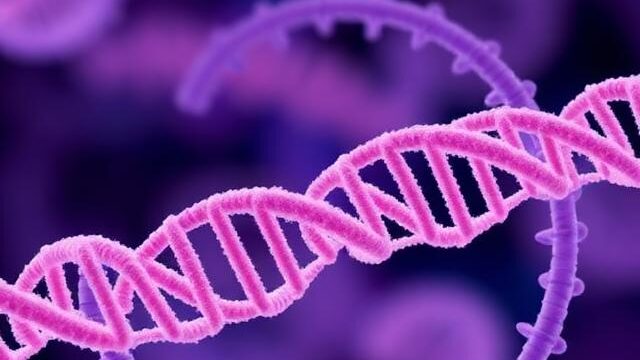
Sophia CDMO supports Circular RNA programs
That simple structural change creates a very different development problem. A circular RNA product must be transcribed, circularised, purified away from linear precursors, characterised for correct back-splice or ligation junction, tested for residual linear RNA, formulated for delivery, protected from degradation, assessed for translation, and controlled through stability. The product is not just “mRNA but round.” It has its own chemistry, analytics, formulation logic, and CMC questions.
Sophia’s Circular RNA CDMO Services support construct design review, template strategy, in vitro transcription, circularisation method development, ribozyme or enzymatic ligation strategy, linear RNA removal, purification, residual DNA control, dsRNA impurity control, junction confirmation, RNA integrity testing, LNP formulation, particle analytics, potency assay strategy, formulation, stability, sterile product interface, GMP/GMP-like documentation, and scale-up.
The goal is direct: turn a circular RNA concept into a controlled, stable, deliverable RNA product.
Why Circular RNA Matters
Circular RNA matters because RNA therapeutics are still constrained by stability, delivery, expression duration, immune activation, and manufacturing consistency. Linear mRNA is powerful, but it can degrade from its ends, depend on cap and poly(A) design, and require careful control of integrity. Circular RNA offers a different architecture. By closing the RNA into a loop, developers can explore longer expression, altered stability, cap-independent translation, and potentially improved resistance to exonuclease degradation.
The category is especially interesting for:
- RNA vaccines
- Cancer vaccines
- Protein replacement products
- Oncology immunotherapy
- Rare disease protein expression
- Gene editing payload delivery
- Intracellular protein expression
- Regenerative medicine signals
- Immunology products
- Durable antigen expression
- LNP-formulated RNA products
- Next-generation RNA platforms
Circular RNA does not magically solve every RNA problem. Delivery still matters. Translation still has to be engineered. Purification can be harder than linear mRNA. Residual linear RNA must be controlled. Circularisation efficiency must be measured. The final product must be proven as circular, not assumed circular because the process intended it.
That is why Circular RNA CDMO Services require careful process and analytical design. The ring is the feature, but the control strategy is the product.
Some History of Circular RNA
Circular RNA was once treated mostly as a biological curiosity. Researchers observed circular RNA species in cells, but for a long time they were not viewed as central therapeutic molecules. As RNA biology matured, circular RNAs became more interesting.
They were found in many organisms and tissues. Some appeared stable. Some acted as regulatory RNAs. Some were associated with disease biology. The idea that circular RNA could be engineered as a therapeutic expression platform followed naturally from that biology.
The therapeutic question was simple: if a circular RNA can persist and be translated, can it become a drug platform?
That question led to engineered circRNA systems designed to encode proteins, antigens, cytokines, editing enzymes, or other therapeutic payloads. Unlike conventional mRNA, circular RNA often uses internal ribosome entry site elements or other cap-independent translation strategies. This creates new design choices: circularisation method, translation element, spacer sequences, coding region, untranslated architecture, purification route, and delivery format.
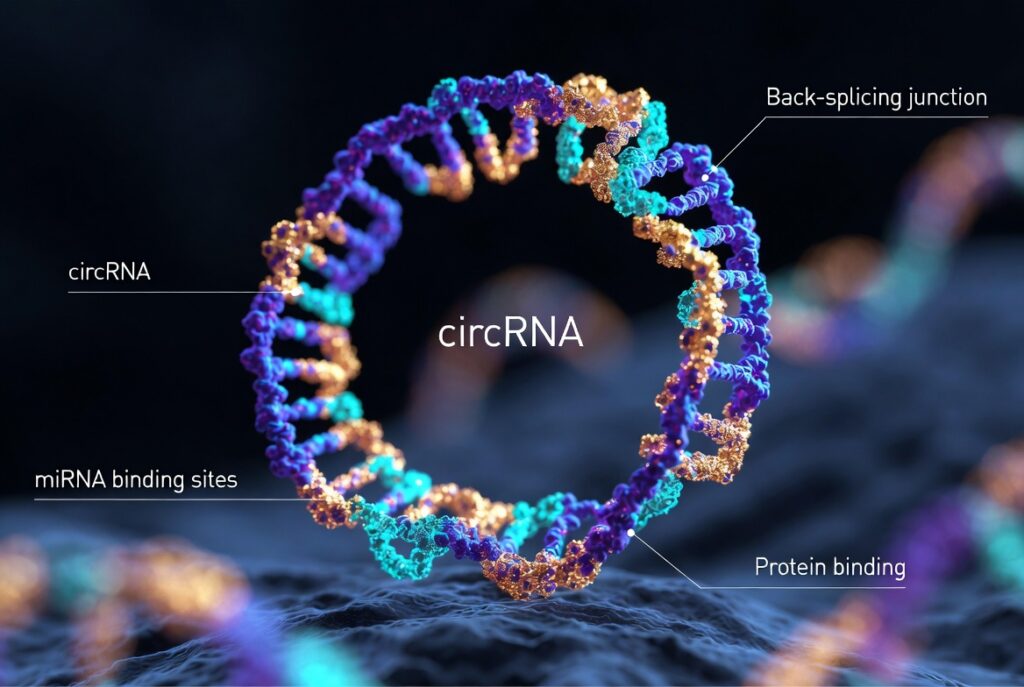
The modern field sits at the edge of RNA therapeutics, synthetic biology, and formulation science. It is still younger than conventional mRNA manufacturing, which means development must be especially disciplined. Sponsors cannot simply borrow every mRNA method and expect circular RNA to behave.
Circular RNA has a beautiful topology. Manufacturing must make that topology real.
The Biology and Chemistry of Circular RNA
Circular RNA is a covalently closed RNA molecule. Its defining feature is the absence of free 5′ and 3′ ends. This can reduce susceptibility to exonucleases and change how the RNA is recognised by cellular machinery. Translation generally requires cap-independent elements, such as internal ribosome entry site-like sequences or other engineered translation strategies, depending on design.
The chemistry begins with a linear RNA precursor. That precursor is usually made by in vitro transcription from a DNA template. The precursor must then be circularised. Circularisation can occur through ribozyme-mediated approaches, enzymatic ligation, splint-mediated ligation, permuted intron-exon systems, or other engineered methods. After circularisation, the process must remove unreacted linear precursor, nicked RNA, truncated RNA, dsRNA impurities, residual DNA template, enzymes, nucleotides, salts, and process materials.
The circular junction becomes a critical identity feature. The product must contain the correct junction and coding sequence. The ring must remain intact. Residual linear RNA can affect potency, immune recognition, stability, and analytical interpretation. dsRNA impurities can also matter, especially for immunological tolerability.
A circular RNA product therefore has three major technical identities:
- The encoded sequence
- The circular structure
- The delivery formulation
A complete Circular RNA CDMO Services programme must control all three.
Circular RNA Product Types Supported
Sophia supports Circular RNA CDMO Services across research, preclinical, clinical-development, and platform-building programmes.
Product categories may include circular RNA vaccines, circRNA cancer vaccines, shared antigen vaccines, personalised antigen products, protein replacement circRNA, secreted protein expression, intracellular protein expression, cytokine expression, immune-modulating RNA, gene editing enzyme delivery, base editor and prime editor payloads, Cas nuclease circRNA, rare disease programmes, oncology products, and exploratory RNA expression platforms.
Delivery formats may include lipid nanoparticle-formulated circRNA, polymer-associated circRNA, local delivery formats, ex vivo cell manufacturing materials, intratumoural concepts, injectable RNA products, lyophilised RNA interface products, and frozen clinical material.
Programme stages may include construct screening, circularisation feasibility, purification development, LNP formulation screening, analytical method development, potency assay development, toxicology material planning, GMP/GMP-like batch production, formulation stability, fill-finish readiness, and tech transfer.
The category is broad, but the core question is consistent: can the circular RNA be made, proven circular, purified, delivered, expressed, stabilised, and documented?
Construct and Template Strategy
Sophia supports construct and template strategy for circular RNA products. This includes coding sequence review, translation element selection, circularisation element design, spacer sequence planning, GC content, secondary structure, codon optimisation, protein expression goal, antigen design, signal peptide review, secretion strategy, immune activation profile, and manufacturability.
Circular RNA construct design is more constrained than ordinary linear mRNA design. The molecule must circularise efficiently, translate effectively, and avoid unwanted structures or impurities. The translation element must function in the chosen biological context. The coding sequence must remain readable across the circular architecture. The circularisation junction must be designed and confirmed. The template must support reliable transcription and downstream processing.
For vaccines, antigen expression and immune presentation matter. For protein replacement, protein folding, secretion, and functional expression matter. For gene editing, large coding sequences can create difficulties in transcription, circularisation, purification, and LNP formulation. For personalised programmes, speed and standardised process controls become central.
Circular RNA design is topology plus biology. Both need to be right.
In Vitro Transcription for Circular RNA Precursors
Sophia supports in vitro transcription process development for circular RNA precursors, including DNA template strategy, RNA polymerase, nucleotide composition, modified nucleoside review, reaction buffer, magnesium, temperature, reaction time, yield, linear precursor integrity, residual DNA strategy, and impurity profile.
The IVT step creates the linear RNA precursor that later becomes circular. This precursor must be full-length, clean, and suitable for circularisation. Poor transcription creates problems downstream. Truncated RNA may circularise incorrectly or remain as impurity. dsRNA byproducts may persist. Residual DNA template must be removed. Enzymes and nucleotides must be controlled.
Circular RNA precursors may include specialised sequences for ribozyme-mediated circularisation or ligation. These elements can affect IVT yield and RNA folding. Long constructs can be more difficult to transcribe cleanly. High secondary structure can reduce process performance. Template quality and sequence design become major drivers of success.
A strong Circular RNA CDMO Services process does not treat IVT as routine. It treats IVT as the first critical step in building the ring.
Circularisation Method Development
Circularisation is the defining step. Sophia supports circularisation strategy and method development, including ribozyme-mediated circularisation, enzymatic ligation, splint-mediated ligation, permuted intron-exon systems, process condition screening, reaction time, temperature, RNA concentration, buffer conditions, ligase selection where relevant, cofactor strategy, junction control, and circularisation efficiency.
Each method has strengths and trade-offs. Ribozyme or self-splicing systems can support efficient circularisation but may leave sequence scars or require careful design. Enzymatic ligation can be flexible but may require optimisation of RNA ends, splints, ligase conditions, and reaction efficiency. Splint-mediated methods can support defined junction formation but add materials and purification questions. Larger circRNA constructs may circularise less efficiently than smaller constructs.
Circularisation efficiency is not the only metric. The process must also minimise side products, concatemers, nicked circles, unreacted linear RNA, truncated circular species, and unwanted ligation products. The final product must be structurally correct and biologically active.
A circular RNA process is not successful because some circle formed. It is successful because the right circle formed reproducibly.
Purification and Linear RNA Removal
Sophia supports purification development for circular RNA products, including removal of linear precursor, nicked RNA, truncated RNA, dsRNA impurities, residual DNA, enzymes, nucleotides, salts, splints, ligases, ribozyme fragments, and other process-related impurities.
Purification strategies may include chromatography, RNase R-style development tools where appropriate, HPLC, ion-exchange methods, size-based approaches, ultrafiltration/diafiltration, tangential flow filtration, precipitation where appropriate, desalting, buffer exchange, and final concentration.
Linear RNA removal is central. Residual linear RNA can create inaccurate potency interpretation, altered immune activation, reduced stability, and regulatory uncertainty. The purification method must distinguish circular product from linear or nicked species. This is not always simple because the desired and undesired RNAs may share similar length, charge, and sequence.
For larger circular RNA products, purification can become especially difficult. Process development must balance yield, purity, RNA integrity, scalability, and cost. Research-grade purification may not be suitable for clinical manufacturing. A commercial route must be robust enough to reproduce.
The molecule is circular. The purification problem is not.
Analytical Development and Circularity Confirmation
Sophia’s Circular RNA CDMO Services include analytical development for RNA identity, circularity, purity, junction confirmation, residual linear RNA, dsRNA impurities, residual DNA, RNA integrity, concentration, residual process materials, endotoxin where relevant, bioburden or sterility strategy where relevant, and stability.
Analytical methods may include RT-PCR across the circular junction, sequencing of the junction, RNase resistance assays during development, capillary electrophoresis, agarose or denaturing gel methods, HPLC, LC-MS for selected smaller constructs or digests, qPCR or ddPCR for residual DNA, dsRNA assays, UV spectroscopy, endotoxin testing, residual protein testing, and stability-indicating methods.
The circular junction is a critical identity attribute. The product must be shown to contain the intended back-splice or ligation junction. Residual linear RNA must be measured or controlled. RNA integrity must be tracked. Potency must be connected to translation.
Analytical work should avoid over-reliance on one method. RNase resistance can support circularity assessment during development, but it does not alone prove complete identity. Junction sequencing can confirm structure, but it does not measure all impurities. CE or chromatography can support purity, but may need orthogonal confirmation.
Circular RNA demands a layered analytical package. One test is not enough to describe a ring.
LNP Formulation for Circular RNA
Sophia supports lipid nanoparticle formulation for circular RNA products. This includes ionisable lipid strategy, helper lipid, cholesterol, PEG-lipid, lipid ratio, RNA concentration, N/P ratio, mixing conditions, buffer selection, pH, particle size control, polydispersity, encapsulation efficiency, residual ethanol removal, TFF processing, concentration, sterile filtration feasibility, and final bulk handling.
Circular RNA may behave differently from linear mRNA during encapsulation. Its topology, size, flexibility, secondary structure, and purity profile can affect LNP assembly. Larger circRNA constructs may require formulation optimisation. Residual linear RNA or dsRNA impurities can change particle behaviour and biological response.
LNP analytics may include particle size, polydispersity, zeta potential, encapsulation efficiency, RNA integrity after formulation, RNA release, lipid content, residual ethanol, pH, osmolality, and potency. The formulation must protect the circRNA and deliver it to cells in a translatable form.
The LNP is not a delivery afterthought. It is part of the final product’s identity and performance.
Potency and Expression Assays
Sophia supports potency and expression assay strategy for circular RNA products. Potency may involve protein expression assays, antigen expression, enzyme activity, reporter expression, cell-based translation assays, target-cell uptake, immune activation profile, functional protein activity, gene editing outcome assays, or product-specific biological assays.
Circular RNA potency depends on translation element function, RNA integrity, circularity, delivery, cell uptake, endosomal escape, and protein expression. A circular product can be structurally correct but poorly translated. An LNP can deliver RNA but produce weak expression. A construct can express strongly but trigger unwanted immune signals.
For vaccine products, antigen expression and immune-relevant assays may guide development. For protein replacement, functional protein activity matters. For gene editing payloads, editing efficiency and specificity may become relevant during development. For oncology products, antigen expression and immune activation profiles may support candidate selection.
Potency should connect structure to function. The product is not successful because it is circular. It is successful because the circular RNA does the biological job.
Formulation, Storage, and Stability
Sophia supports formulation and stability development for circular RNA products across frozen, refrigerated, liquid, lyophilised-interface, LNP-formulated, and clinical supply formats.
Stability risks include RNA nicking, hydrolysis, oxidation, loss of circular integrity, residual linear RNA increase, aggregation, LNP instability, encapsulation loss, lipid degradation, potency loss, freeze-thaw sensitivity, pH drift, and container interaction. Formulation variables may include buffer, pH, salt, cryoprotectants, lyoprotectants, sugars, antioxidants, chelators, concentration, lipid quality, storage temperature, and container closure.
Circular RNA may be more resistant to certain degradation pathways than linear RNA, but that does not mean it is indestructible. Nicking a circle can create a linear molecule. Storage stress can alter translation. LNPs can still aggregate or leak RNA. The product must be tested under real development conditions: storage, shipping, thawing, hold time, dilution, administration preparation, and in-use windows.
The promise of durability has to be proven in the actual formulation, not assumed from the topology.
Sterile Drug Product Interface
Circular RNA therapeutics and vaccines often require sterile injectable formats. Sophia supports sterile drug product interface planning, including aseptic processing, sterile filtration feasibility, vial presentation, frozen drug product, lyophilised interface, container closure compatibility, visual inspection, extractables and leachables, fill-volume strategy, cold-chain handling, thawed hold time, and clinical supply planning.
Nanoparticle-containing products may be difficult to sterile filter depending on particle size, adsorption, filter compatibility, pressure, and yield. Aseptic processing strategy must be aligned with the formulation. If frozen storage is required, the fill-finish process must preserve temperature control. If lyophilisation is explored, the cycle must protect both RNA and particle structure.
This stage can make or break the product. A well-made circular RNA bulk can still fail if drug product handling damages the molecule or destabilises the LNP.
No faff at fill-finish. It has to be clean, controlled, and practical.
GMP, CMC, and Documentation
Sophia supports GMP/GMP-like and CMC documentation for Circular RNA CDMO Services, including construct records, DNA template records, IVT process description, circularisation process description, purification process, residual linear RNA control strategy, residual DNA strategy, dsRNA impurity strategy, analytical methods, specifications, LNP formulation process, formulation report, stability protocol, sterile product interface, batch records, CoA, deviation handling, change control, and tech transfer package.
Circular RNA CMC must explain the molecule clearly. What is the sequence? How is it circularised? How is circularity confirmed? What linear RNA impurities remain? What dsRNA impurities remain? How is potency measured? How is the RNA formulated? How stable is the product? How does the process scale?
For platform programmes, comparability matters. Changing construct design, circularisation method, purification method, LNP composition, mixing conditions, or fill-finish process can affect product quality. The analytical package must be strong enough to support development changes.
Documentation is the difference between a clever RNA experiment and a credible therapeutic programme.
Why Sophia for Circular RNA CDMO Services
Sophia supports circular RNA programmes through RNA process development, circularisation strategy, purification, analytical development, LNP formulation, stability, sterile product interface, European facility execution, and GMP/GMP-like documentation.
The service includes:
- Circular RNA programme review
- Construct and template strategy
- IVT process development
- Circularisation method development
- Ribozyme, enzymatic, and ligation strategy
- Linear RNA and nicked RNA removal
- dsRNA impurity control
- Residual DNA and process impurity strategy
- Circular junction confirmation
- RNA integrity and circularity analytics
- LNP formulation and encapsulation
- Particle size, PDI, encapsulation efficiency, and lipid analytics
- Potency and protein expression assay strategy
- Frozen, liquid, and lyophilisation-interface formulation
- Sterile fill-finish interface
- Spain and Switzerland-linked European technical execution
- GMP/GMP-like documentation
- Scale-up and tech transfer
The platform is suited to sponsors who need circular RNA products that are structurally confirmed, analytically controlled, delivery-ready, stable, and suitable for advanced development.
Technical Service Summary
Sophia provides Circular RNA CDMO Services for circRNA therapeutics, circular RNA vaccines, cancer vaccines, rare disease products, protein replacement platforms, gene editing payloads, Cas nuclease circRNA, immune-modulating RNA, LNP-formulated circRNA, personalised RNA products, and next-generation RNA expression systems.
Relevant technical needs include construct review, DNA template design, IVT, circularisation, ribozyme or enzymatic ligation strategy, linear RNA removal, junction confirmation, dsRNA impurity control, residual DNA testing, RNA integrity, LNP formulation, encapsulation efficiency, particle analytics, potency assays, formulation, stability, sterile drug product interface, GMP/GMP-like records, and scale-up.
The service is intended for products where RNA topology, translation, purification, delivery, and stability define the therapeutic platform.
FAQ: Circular RNA CDMO Services
1. What are Circular RNA CDMO Services?
Circular RNA CDMO Services support development and manufacturing of circular RNA products, including IVT, circularisation, purification, circularity confirmation, LNP formulation, analytics, stability, documentation, and scale-up.
2. What is circular RNA?
Circular RNA is RNA formed into a covalently closed loop. It has no free 5′ or 3′ end, which can alter stability, translation, and degradation behaviour.
3. How is circular RNA manufactured?
Circular RNA is typically made by producing a linear RNA precursor through IVT, circularising it through ribozyme-mediated or enzymatic methods, then purifying away linear RNA and process impurities.
4. Why is circularity confirmation important?
Circularity confirmation proves that the intended RNA loop formed correctly. It helps distinguish the desired product from linear precursor, nicked RNA, truncated RNA, or incorrect ligation products.
5. Can circular RNA be formulated in LNPs?
Yes. Circular RNA can be formulated in lipid nanoparticles, but particle size, encapsulation efficiency, RNA integrity, potency, and stability must be developed specifically for the construct.
6. What analytics are used for circular RNA?
Analytics may include junction RT-PCR, sequencing, capillary electrophoresis, HPLC, gel methods, RNase-resistance development assays, residual DNA testing, dsRNA testing, RNA integrity, LNP particle analytics, and potency assays.
7. What makes circular RNA purification difficult?
Purification is difficult because circular RNA must be separated from linear precursor, nicked RNA, truncated RNA, dsRNA impurities, enzymes, DNA template, and other process materials.
8. Can circular RNA be used for vaccines?
Yes. Circular RNA can be explored for vaccines, cancer vaccines, antigen expression, immune modulation, and personalised RNA vaccine platforms.
9. Can Sophia support gene editing circular RNA?
Yes. Sophia supports circular RNA programmes encoding gene editing payloads, including construct review, RNA process development, LNP formulation, potency strategy, stability, and documentation.
10. What should sponsors provide to begin a circular RNA project?
Useful starting information includes RNA sequence, encoded protein, circularisation strategy, template design, translation element, delivery route, LNP composition if known, expression data, purity goals, stability target, and development stage.
Conclusion
Sophia provides Circular RNA CDMO Services for sponsors developing circRNA therapeutics, circular RNA vaccines, protein expression products, gene editing payloads, oncology programmes, rare disease products, LNP-formulated circular RNA, and next-generation RNA platforms.
Circular RNA is powerful because its closed-loop structure can change RNA stability, translation behaviour, and therapeutic design. It is difficult because the product must be circularised correctly, purified away from linear RNA, confirmed analytically, formulated for delivery, tested for expression, stabilised, and documented. A circular RNA product is not defined only by sequence. It is defined by sequence, topology, purity, delivery, potency, and stability.
For sponsors developing circular RNA medicines, circRNA vaccines, LNP-formulated RNA, protein expression platforms, or RNA-based gene editing tools, Sophia provides a controlled route from circular RNA design to stable, deliverable product.
Email our team at info@sophiacdmo.com