
CDMO Platforms & Modalities
Sophia CDMO delivers a comprehensive, flexible CDMO Platforms & Modalities architecture purpose-built for microbial, recombinant protein, probiotic, animal health, precision fermentation, and advanced biologics programs. We combine deep organism expertise with advanced fermentation, downstream processing, analytics, formulation, cell banking, quality systems, tech transfer, and full CMC readiness to accelerate development and ensure reliable manufacturing scale-up.

Why industry leaders choose Sophia every single time:
- Broad yet specialized microbial expertise — E. coli, Pichia, Bacillus, yeast, strict anaerobes, and engineered strains optimized for speed and performance.
- End-to-end biologic and recombinant protein capabilities — from inclusion body refolding and endotoxin control to complex fusion proteins and antibody-derived formats.
- Probiotic, live biotherapeutic, and postbiotic manufacturing — with strict anaerobe handling and viability-focused processes.
- Animal health biologics and feed enzymes — tailored platforms for veterinary and agricultural applications.
- Precision fermentation and microbial bioactives — supporting novel constructs, difficult proteins, and emerging modalities.
- Advanced technical rescue and flexibility — rapid problem-solving for challenging programs where other CDMOs stall.
- Manufacturability-first mindset — matching every program to the right organism, process, analytics, quality pathway, economics, and scale for faster timelines and lower risk.
The result is far more than a generic list of services. Sophia – she provides a true development and manufacturing engine that turns platform choice into reliable, high-quality supply.
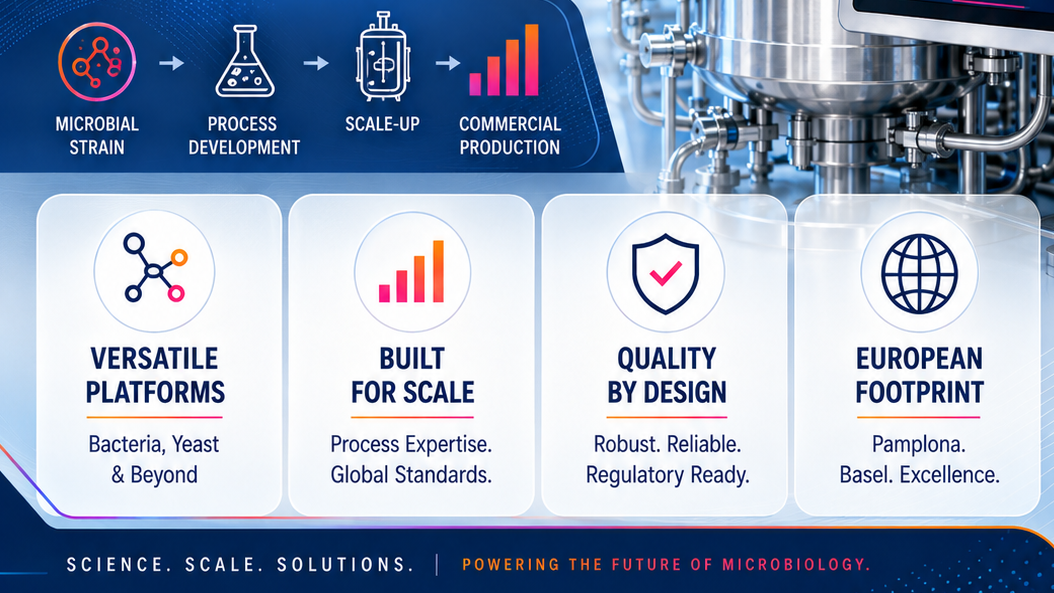
Below, we detail Sophia CDMO’s exact services, technical capabilities, and program examples across all supported platforms and modalities.
1. Platform Philosophy: One Technical Map, Many Biological Systems
A platform is useful only when it improves speed, predictability, and decision-making. A platform becomes dangerous when it forces the wrong molecule into the wrong system.
Sophia CDMO uses platform thinking to support fast progress while preserving molecule-specific judgement. E. coli, Pichia, Bacillus, Saccharomyces, Yarrowia, probiotics, anaerobes, mammalian systems, insect-cell systems, and precision fermentation routes each have strengths. They also carry limits. The correct platform depends on product structure, expression burden, folding, post-translational modification, impurity profile, downstream recovery, stability, route of administration, quality requirement, cost target, and commercial scale.
Sophia supports programmes by asking practical platform questions early:
- Does the product need glycosylation or eukaryotic folding?
- Can E. coli produce active material or only insoluble material?
- Would Pichia improve secretion and downstream recovery?
- Would Bacillus support enzyme secretion or spore-based product formats?
- Does the programme require viable cells, killed cells, fractions, metabolites, or purified protein?
- Does oxygen exposure damage the organism?
- Does endotoxin control define the process?
- Does the intended market require GMP, GMP-like, ISO 13485-style, feed-grade, animal health, or phase-appropriate quality?
- Does downstream recovery determine the true cost of goods?
- Does the process need to scale to kilograms, tonnes, clinical supply, or commercial animal health volumes?
The strongest platform decision is not based on popularity. It is based on product truth.
2. Core Microbial Platforms
2.1 E. coli Recombinant Protein Expression
Sophia CDMO supports E. coli recombinant protein expression CDMO services for sponsors developing enzymes, diagnostic proteins, antigens, antibody fragments, VHH/nanobody-style proteins, scaffold proteins, cytokines, growth factors, affinity proteins, research proteins, veterinary recombinant proteins, feed enzymes, and selected precision fermentation proteins.
E. coli remains one of the fastest and most widely used recombinant expression systems because it grows rapidly, accepts genetic manipulation readily, supports high-density fermentation, and can deliver strong productivity for non-glycosylated proteins. However, E. coli manufacturing requires careful control of endotoxin, inclusion bodies, host cell proteins, residual DNA, aggregation, refolding, lysis, clarification, and downstream recovery.
Sophia supports E. coli programmes across:
- Gene-to-protein planning
- Codon optimisation
- Construct strategy
- Vector and promoter selection
- Tag and fusion partner design
- Host strain selection
- BL21(DE3) and derivative strategy
- Soluble intracellular expression
- Periplasmic expression
- Inclusion body expression
- Refolding development
- High-cell-density fermentation
- Fed-batch fermentation
- Endotoxin control
- Downstream purification
- Analytical development
- GMP or GMP-like manufacturing
- CMC readiness
2.2 Pichia / Komagataella Protein Expression
We also support Pichia protein expression CDMO services for recombinant proteins, enzymes, bioactives, veterinary products, diagnostic components, and precision fermentation outputs.
Pichia / Komagataella can provide high-density yeast fermentation, secreted protein expression, eukaryotic folding advantages, and useful productivity for proteins that do not fit E. coli well. It can be especially relevant when secretion simplifies downstream processing or when yeast-based production improves product quality.
Sophia supports Pichia programmes involving:
- Construct strategy
- Strain engineering
- Clone screening
- Secreted protein expression
- Intracellular expression where relevant
- Methanol or alternative induction strategy
- Oxygen transfer control
- Protease risk management
- High-cell-density fermentation
- Downstream recovery
- Glycosylation awareness
- Analytical development
- Scale-up and tech transfer
Pichia is often considered when E. coli creates excessive inclusion bodies, endotoxin burden, poor folding, or weak activity recovery.
Learn more about this service page: Pichia Protein Expression CDMO Services
2.3 Bacillus Fermentation
Sophia supports Bacillus CDMO services for enzymes, animal health products, feed applications, probiotic/spore-based products, microbial bioactives, and industrial proteins.
Bacillus systems can be valuable because they support robust fermentation and secreted protein production. Bacillus species also matter in animal nutrition, feed additives, gut health, spore-based products, and enzyme manufacturing.
Sophia supports Bacillus-related work across:
- Bacillus subtilis and related production concepts
- Secreted enzyme production
- Spore-based product development
- Fermentation development
- Sporulation control
- Protease-risk management
- Feed and animal health applications
- Drying and stability support
- Analytical and activity testing
- Scale-up strategy
Bacillus manufacturing requires special attention to secreted product degradation, proteases, sporulation timing, contamination control, and formulation stability.
2.4 Saccharomyces Fermentation
Sophia CDMO supports Saccharomyces fermentation services for yeast-based recombinant proteins, nutrition products, animal health ingredients, fermentation-derived bioactives, enzymes, and speciality microbial products.
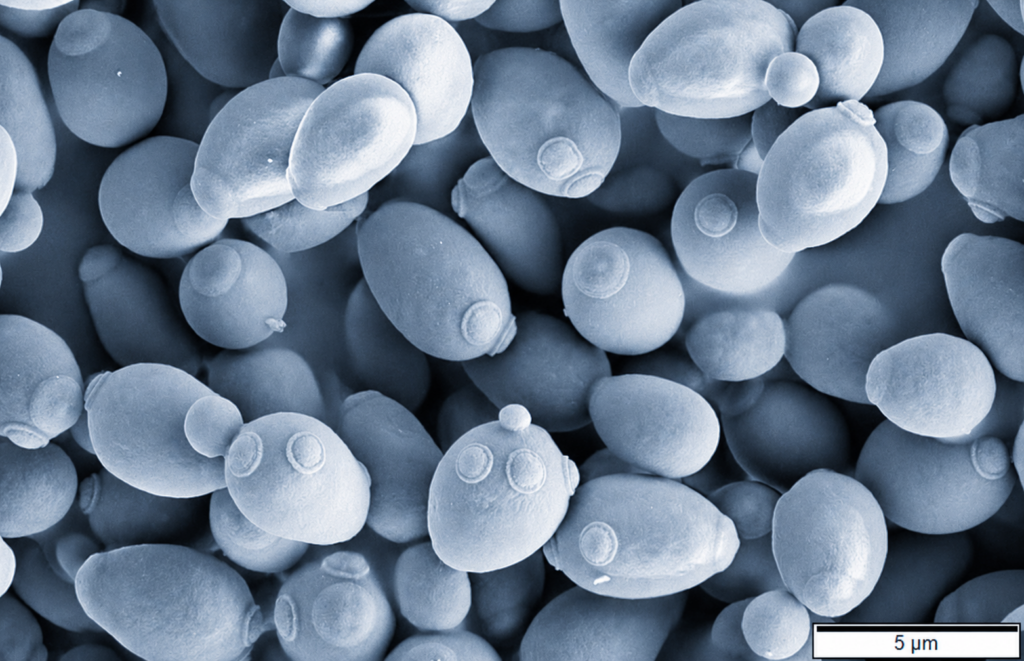
Saccharomyces offers food and fermentation familiarity, yeast biology, robustness, and relevance across feed, nutrition, supplements, animal health, and industrial biotechnology. It can be useful where the product benefits from yeast biomass, yeast-derived components, or yeast-based expression.
Sophia supports Saccharomyces programmes involving:
- Yeast strain selection
- Fermentation development
- Recombinant expression
- Bioactive production
- Yeast biomass development
- Feed and nutrition applications
- Stability and drying support
- Analytical testing
- Tech transfer
2.5 Yarrowia Fermentation
Sophia CDMO supports Yarrowia fermentation services for selected precision fermentation, speciality ingredient, lipid-associated, bioactive, enzyme, and animal nutrition programmes.
Yarrowia is a niche but strategically important yeast platform because of its metabolism, lipid-handling potential, and relevance to bio-based manufacturing. It can be considered when a product does not belong cleanly in E. coli, Pichia, or Saccharomyces.
Sophia supports Yarrowia-related development across:
- Host-fit evaluation
- Strain and expression strategy
- Fermentation development
- Speciality bioactive production
- Enzyme and protein production
- Downstream process design
- Analytical method development
- Scale-up planning
2.6 Filamentous Fungal Expression
Sophia CDMO supports fungal expression strategy and coordinated development for selected enzyme, protein, bioactive, and industrial biotechnology programmes.
Filamentous fungi such as Trichoderma, Aspergillus, and C1-style systems can be useful for secreted enzymes and industrial protein production. These systems can offer high secretion capacity but also introduce challenges in morphology, viscosity, proteases, impurity profile, and downstream recovery.
Sophia supports fungal programme assessment around:
- Host selection
- Secreted enzyme production
- Fermentation morphology
- Protease management
- Downstream recovery
- Feed and industrial applications
- Analytical testing
- Tech transfer
3. Probiotic, Microbiome, and Live Microbial Platforms
3.1 Probiotic CDMO Services
Sophia CDMO supports probiotic development and manufacturing for companion animal, livestock, poultry, swine, aquaculture, human-adjacent, feed, nutrition, and microbiome applications.
Probiotic products are not defined only by fermentation titre. They require viable count, strain identity, purity, stability, formulation compatibility, drying survival, moisture control, oxygen exposure control, and shelf-life performance.
Sophia supports probiotic programmes involving:
- Strain review
- Fermentation development
- Viable count tracking
- Harvest and concentration
- Freeze-drying interface development
- Spray-drying evaluation where relevant
- Cryoprotectant and lyoprotectant screening
- Stability strategy
- Powder handling
- Sachet, capsule, feed, chew, and premix formats
- Documentation and quality support
Learn more about this service page: Probiotic CDMO Services
3.2 Strict Anaerobe Fermentation
Sophia CDMO supports strict anaerobe fermentation CDMO services for oxygen-sensitive organisms, microbiome products, live biotherapeutics, anaerobic consortia, animal health products, and advanced strain-based products.
Strict anaerobe programmes require specialised handling because oxygen exposure can reduce viability, damage performance, or destroy the product. Manufacturing must address anaerobic transfer, oxygen-controlled cultivation, harvest, formulation, cell banking, stability, and viability recovery.
Sophia supports strict anaerobe workflows involving:
- Anaerobic strain handling
- Oxygen-controlled fermentation
- Anaerobic cell banking
- Viability preservation
- Purity and identity testing
- Freeze-drying strategy
- Oxygen exposure mapping
- Stability development
- LBP and microbiome documentation
Learn more about this service page: Strict Anaerobe Fermentation CDMO Services
3.3 Live Biotherapeutic Product Services
Sophia CDMO supports live biotherapeutic product development for strain-based therapeutics, microbiome products, probiotics with regulated development needs, strict anaerobes, defined consortia, and advanced microbial products.
LBP programmes require a different manufacturing mindset from recombinant protein products. The organism is the product. Viability, identity, potency, purity, genetic stability, oxygen exposure, contamination control, formulation, and release strategy must work together.
Sophia supports LBP programmes across:
- Strain banking
- Fermentation development
- Anaerobic or aerobic cultivation
- Viability recovery
- Contamination control
- Identity and purity testing
- Potency strategy
- Freeze-drying and formulation
- GMP readiness
- CMC documentation
Learn more about this service page: Live Biotherapeutic Product CDMO Services
3.4 Postbiotic and Microbial Fraction Manufacturing
Sophia CDMO supports postbiotic-style and microbial fraction programmes where the product may include killed cells, lysates, cell wall fractions, metabolites, peptides, exopolysaccharides, fermentation supernatants, or defined microbial components.
Postbiotic products require clear definition. The active material may not be a live organism, but it still needs identity, composition, activity, reproducibility, and stability.
Sophia supports:
- Heat-treated microbial products
- Inactivated cell preparations
- Microbial lysates
- Cell wall fractions
- Exopolysaccharides
- Fermentation supernatants
- Metabolite-rich fractions
- Bioactivity testing
- Stability and formulation
- Animal health and nutrition applications
4. Recombinant Protein and Enzyme Modalities
4.1 Recombinant Proteins
Sophia CDMO supports recombinant protein development and manufacturing across E. coli, Pichia, yeast, Bacillus, fungal, mammalian, insect, and partner-coordinated systems where appropriate.
Recombinant proteins require careful alignment between expression system, folding, stability, downstream processing, activity, impurity profile, and final use. Sophia supports recombinant protein programmes from early sequence and expression strategy through purification, analytics, formulation, manufacturing, and CMC readiness.
Protein types include:
- Enzymes
- Cytokines
- Growth factors
- Antigens
- Diagnostic proteins
- Antibody fragments
- VHH/nanobody-style proteins
- Scaffold proteins
- Affinity ligands
- Feed enzymes
- Veterinary proteins
- Research proteins
- Bioprocessing proteins
- Precision fermentation proteins
Learn more about these services: E. coli Recombinant Protein Expression CDMO Services; Pichia Protein Expression CDMO Services
4.2 Recombinant Enzymes
Sophia CDMO supports recombinant enzyme manufacturing for diagnostics, animal health, feed, nutrition, industrial biotechnology, bioprocessing, research tools, and precision fermentation.
Enzyme manufacturing must focus on activity, not just protein concentration. The process must preserve folding, cofactors, pH performance, temperature performance, storage stability, and application-specific function.
Sophia supports enzymes including:
- Phytase
- Protease
- Amylase
- Xylanase
- Beta-glucanase
- Cellulase
- Mannanase
- Lipase
- Lactase
- Keratinase
- Polymerases
- Ligases
- Nucleases
- Capping enzymes
- Pyrophosphatases
- Diagnostic enzymes
- Feed enzymes
- Therapeutic or veterinary enzymes where applicable
4.3 Feed Enzymes
Sophia CDMO supports feed enzyme development and manufacturing for poultry, swine, cattle, aquaculture, pet nutrition, and specialty animal health applications.
Feed enzymes must survive real-world use. Manufacturing must consider activity retention, heat tolerance, pH profile, pelleting survival, premix compatibility, moisture sensitivity, storage, formulation, and cost per kilogram of feed.
Sophia supports feed enzyme programmes involving:
- Enzyme expression
- Fermentation development
- Activity assay development
- Thermostability assessment
- pH activity profiling
- Downstream recovery
- Drying and formulation support
- Feed compatibility
- Stability testing
- Commercial scale planning
4.4 Diagnostic Proteins and Enzymes
Sophia CDMO supports diagnostic protein and enzyme CDMO services for IVD raw materials, assay components, controls, calibrators, antigens, enzymes, affinity reagents, and molecular diagnostic inputs.
Diagnostic proteins require consistency. A diagnostic reagent can fail commercially if lot-to-lot variation changes assay performance. Sophia supports development around purity, activity, binding, stability, background signal, reagent compatibility, and documentation.
Sophia supports:
- Recombinant antigens
- Diagnostic enzymes
- Assay controls
- Calibrators
- Affinity reagents
- Binding proteins
- Molecular diagnostic enzymes
- ISO 13485-style documentation expectations where relevant
- Lot consistency and stability support
4.5 VHH and Nanobody-Style Proteins
Sophia CDMO supports VHH/nanobody-style microbial expression and manufacturing strategy across E. coli, Pichia, yeast, and other relevant systems.
VHH-style proteins can be attractive for animal health, diagnostics, research tools, and therapeutic-adjacent applications because of their small size, binding performance, modularity, and microbial expression potential. However, disulphide formation, folding, periplasmic expression, inclusion bodies, refolding, endotoxin, aggregation, and binding activity require control.
Sophia supports VHH programmes involving:
- E. coli expression
- Pichia expression
- Periplasmic expression strategy
- Refolding development
- Binding assays
- Stability testing
- Veterinary and diagnostic applications
- VHH-Fc routing where applicable
5. Animal Health Modalities
5.1 Animal Health Biologics
Sophia CDMO supports animal health biologics and microbial manufacturing programmes across companion animals, livestock, poultry, swine, equine, aquaculture, zoo, research, conservation, and specialty animal markets. These programmes can include recombinant proteins, enzymes, probiotics, synbiotics, postbiotic-style materials, feed bioactives, recombinant antigens, diagnostic proteins, microbial metabolites, aquaculture products, precision fermentation outputs, and species-specific biologic components.
Animal health manufacturing is not simply human biologics at smaller scale. The biology, economics, route of administration, product format, dosing logic, stability requirement, and regulatory pathway can differ completely. A canine recombinant protein, a poultry feed enzyme, a shrimp aquaculture bioactive, a dairy cattle rumen product, and an equine probiotic may all use microbial manufacturing, but they do not belong to the same development logic.
Sophia supports animal health programmes by matching the product to the right platform, quality system, analytical package, and manufacturing scale. Some animal health products require biologics-style control around identity, purity, endotoxin, potency, aggregation, and stability. Others require cost-effective large-scale fermentation, strong activity retention, drying stability, feed compatibility, or CFU survival.
The correct manufacturing path depends on what the product is supposed to do in the animal, how it will be administered, and what level of quality evidence the market or regulator expects.
Species supported include:
- Dogs
- Cats
- Cattle
- Calves
- Dairy cows
- Beef cattle
- Swine
- Piglets
- Sows
- Poultry
- Broilers
- Layers
- Turkeys
- Ducks
- Horses
- Foals
- Sheep
- Goats
- Salmon
- Trout
- Tilapia
- Shrimp
- Prawns
- Carp
- Sea bass
- Sea bream
- Catfish
- Companion birds
- Rabbits
- Ferrets
- Guinea pigs
- Hamsters
- Small mammals
- Zoo animals
- Specialty species
- Research animals where applicable
- Conservation species where applicable
Sophia supports animal health modalities across several technical categories:
- Veterinary recombinant proteins
- Recombinant antigens
- Animal vaccine-support proteins
- Companion animal probiotics
- Livestock probiotics
- Bacillus spore-based products
- Feed enzymes
- Aquaculture feed bioactives
- Yeast-derived animal nutrition ingredients
- Microbial metabolites
- Postbiotic-style materials
- Bacteriocin-like products
- Diagnostic antigens and enzymes
- Precision fermentation proteins
- Species-specific biologic components
- Animal health CMC and tech transfer support
The most important factor is not whether the product can be made once. The important question is whether the process can support the intended species, route, field conditions, dose economics, stability profile, and documentation pathway.
A cattle product may need low cost per animal and stability in feed. A dog product may need palatability and chronic-use packaging. A poultry product may need activity after pelleting and performance at flock scale. An aquaculture product may need water stability and resistance to feed leaching.
A veterinary recombinant protein may need much stronger control around purity, potency, endotoxin, aggregation, and route of administration.
Learn more about this service page: Animal Health Biologics CDMO Services
5.2 Species-Specific Animal Health Manufacturing Logic
Sophia CDMO supports animal health programmes with species-specific manufacturing strategies that respect the unique biological demands of each animal.
The same core microbial platform can generate material for multiple species, yet success depends on how deeply the product penetrates the target biology — adjusting for dose, stability, delivery format, packaging, and quality expectations that vary sharply by animal.
Companion Animals (Dogs & Cats) For pets, format and sensory experience are as critical as the biology itself. Powders, chews, capsules, oral gels, liquids, or long-term formats must deliver smooth, pleasurable uptake. Palatability, aroma, mouthfeel, moisture control, CFU viability, room-temperature stability, and owner compliance determine whether the product is eagerly consumed or rejected in the heat of the moment.
Cattle & Ruminants In ruminants, the rumen presents a powerful, competitive chamber. Products must survive intense microbial pressure, pH shifts, enzymatic activity, and feed interactions while delivering their effect at scale. Rumen bioactives, methane modulators, feed enzymes, yeast-derived components, and probiotics require precise alignment between biological thrust and cost-per-animal performance.
Poultry At flock scale, the product must endure pelleting heat, moisture, storage stress, and maintain enzyme activity and spore viability under real-world conditions. Gut barrier support, pathogen resistance, and feed conversion efficiency are essential — laboratory performance alone is rarely enough to satisfy the demands of intensive production.
Swine & Piglets Weaning stress, nursery gut health, sow support, and feed transitions demand robust microbial stability and economic dosing. Probiotics, enzymes, yeast metabolites, synbiotics, and postbiotics must integrate seamlessly into the rapid rhythm of commercial swine production.
Aquaculture In water-based systems, the product faces leaching, salinity, temperature swings, and variable residence time. Whether for salmon, shrimp, or tilapia, recombinant proteins, enzymes, probiotics, and bioactives require tailored formulation to ensure effective delivery and sustained performance beneath the surface.
Equine Equine programs often justify premium, lower-volume formats with deeper formulation investment. Palatability, gut sensitivity, chronic-use stability, and performance demands call for a more refined technical and commercial approach.
Sophia CDMO navigates these species-specific challenges through intelligent platform selection, formulation intimacy, stability engineering, analytical depth, and manufacturing alignment — ensuring each product mounts a successful transition from concept to consistent field performance.
5.3 Companion Animal Probiotics
Sophia supports probiotic and microbial products for dogs, cats, and companion animals.
These programmes may involve gut health, dermatology-adjacent support, stool quality, oral microbiome balance, digestion, immune support, stress-related digestive changes, senior pet health, puppy and kitten development, or chronic-use wellness formats.
Companion animal probiotics require more than fermentation titre. They need a product format that survives real consumer use. A sponsor may need strain identity, viable count, stability, palatability, oxygen tolerance, moisture control, low odour, powder flow, capsule compatibility, chew compatibility, sachet stability, or compatibility with synbiotic fibres and other functional ingredients.
Key development factors include:
- Strain identity
- CFU stability
- Strain purity
- Fermentation reproducibility
- Harvest conditions
- Drying survival
- Cryoprotectant and lyoprotectant selection
- Oxygen tolerance
- Moisture control
- Water activity
- Powder handling
- Palatability
- Odour profile
- Chew compatibility
- Sachet compatibility
- Capsule compatibility
- Synbiotic formulation
- Shelf-life viability
- Stability under real consumer conditions
Sophia supports companion animal probiotic programmes from strain review and fermentation development through viability preservation, stability strategy, formulation interface, and documentation. For products intended for dogs and cats, the development plan must consider both microbial survival and user behaviour. If the product requires cold chain, has poor palatability, loses CFU rapidly, or fails in the chosen dosage form, the manufacturing process has not solved the full problem.
Sophia also supports more advanced companion animal microbial concepts, including multi-strain blends, synbiotics, postbiotic-style materials, microbial metabolites, oral microbiome products, and probiotic combinations with enzymes or bioactives. These programmes require compatibility testing because strains and ingredients can affect one another during storage.
5.4 Aquaculture Biologics and Feed Bioactives
Sophia supports aquaculture-related microbial products, recombinant proteins, enzymes, probiotics, feed bioactives, antigens, and fermentation-derived ingredients. Aquaculture is one of the most important niche markets for microbial manufacturing because biological performance, feed stability, water exposure, and commercial economics intersect tightly.
Aquaculture products require attention to water stability, feed leaching, marine storage, larval-stage use, gut health, species-specific biology, dose economics, feed coating, oxygen exposure, pellet processing, and ingredient compatibility. A product can look stable in dry powder but fail once it contacts water or feed oil. A protein can show activity in a laboratory assay but lose value during pellet coating or storage.
Species applications include:
- Salmon
- Trout
- Tilapia
- Shrimp
- Prawns
- Carp
- Sea bass
- Sea bream
- Catfish
- Other aquatic species where applicable
Sophia supports aquaculture programmes involving:
- Recombinant antigens
- Feed enzymes
- Probiotics
- Bacillus-based products
- Yeast-derived ingredients
- Microbial metabolites
- Gut health bioactives
- Postbiotic-style materials
- Fermentation-derived immunonutrition inputs
- Water-stable feed additives
- Larval-stage nutrition products
- Aquaculture diagnostic proteins
Aquaculture development often requires unusual formulation questions. Will the product leach into water before ingestion? Does it remain active after extrusion or coating? Does it survive storage in humid or marine environments? Or maybe, does the active material remain available in the gut?
Sophia supports aquaculture manufacturing strategy by connecting fermentation output, downstream recovery, drying, formulation, stability, and feed-use conditions. This makes aquaculture a high-value platform area, especially for sponsors building microbial alternatives to antibiotics, fishmeal dependence, or conventional feed additives.
5.5 Rumen and Livestock Bioactives
Sophia supports microbial and fermentation-derived products for cattle, dairy, beef, calves, swine, poultry, sheep, goats, and livestock nutrition. Livestock products often require a different manufacturing philosophy from high-value human biologics. The product must work biologically, but it must also work economically at herd, flock, or production-system scale.
Niche livestock modalities include:
- Rumen bioactives
- Methane-related bioactives
- Calf health products
- Feed enzymes
- Yeast-derived ingredients
- Probiotics and synbiotics
- Postbiotic-style materials
- Microbial metabolites
- Bacillus spore-based products
- Poultry gut health products
- Swine weaning support products
- Herd-level nutrition products
- Feed conversion support products
- Digestive enzyme products
- Microbial immune-support products
Rumen products require special care because the rumen is not only an organ; it is a microbial ecosystem. A bioactive may need to resist degradation, interact with resident microbes, support feed efficiency, modify fermentation pathways, or survive long enough to influence animal performance. Products linked to methane reduction, nitrogen efficiency, calf health, rumen stability, or dairy productivity require both biology and process economics.
Poultry and swine products often require robust manufacturing scale and strong stability under feed processing. Pelleting, heat, humidity, premix storage, and gastrointestinal pH can change the final performance of enzymes, probiotics, and bioactives. The relevant unit is often not milligrams of protein. It is activity per kilogram of feed, viable count per dose, or performance per animal.
6. Advanced Biologic Modalities from the Original Platform Page
6.1 Monoclonal Antibodies
Sophia CDMO actively supports monoclonal antibody (mAb) programs with integrated development, process optimization, analytical strategies, formulation, tech transfer, and manufacturing coordination.
Although our platform has expanded significantly into microbial expression systems, recombinant proteins, probiotics, live biotherapeutics, animal health biologics, enzymes, and precision fermentation, we continue to deliver high-value support for monoclonal antibody projects — particularly where sponsors need expert biologics development, analytical excellence, or seamless CDMO orchestration.
Sophia CDMO monoclonal antibody capabilities include:
- Cell line development and clone selection support
- Upstream and downstream process development and optimization
- Analytical method development, qualification, and validation
- Formulation development and stability studies
- Tech transfer to GMP manufacturing partners
- Process characterization and comparability assessments
- CMC strategy and regulatory support documentation
- Coordinated routing and oversight across specialized manufacturing networks
This enables sponsors to advance mAb programs efficiently while leveraging her broader microbial and biologics expertise for hybrid or next-generation modalities.
Our support includes the following:
- Upstream process development strategy
- Downstream process development strategy
- Analytical method development
- Impurity clearance strategy
- Product-related variant assessment
- Aggregation and fragmentation analysis
- Charge variant evaluation
- Glycosylation awareness where applicable
- Potency and binding assay strategy
- Stability programmes
- Formulation support
- Comparability planning
- Tech transfer coordination
- CMC readiness assessment
- GMP manufacturing support through qualified infrastructure or partner pathways
mAbs also connect to Sophia’s broader platform because many antibody-derived formats do not behave like standard mAbs. Fragments, VHH-style proteins, bispecifics, scaffolds, and Fc-fusions can create unusual expression, stability, downstream, or analytical challenges. Some belong in mammalian systems. Others may fit microbial expression for diagnostic, veterinary, or research applications.
6.2 Antibody-Based Therapeutics
Sophia supports antibody-derived formats where the programme requires characterisation, comparability, expression strategy, formulation support, or CDMO coordination.
These products can be therapeutics, diagnostic reagents, veterinary biologics, binding proteins, research tools, or platform components.
Examples include:
- Fab fragments
- scFv fragments
- VHH/nanobody-style proteins
- Fc-engineered antibodies
- Fc-fusion proteins
- Bispecifics where applicable
- Multispecific constructs where applicable
- Antibody fragments for diagnostic applications
- Antibody fragments for veterinary applications
- Recombinant binding domains
- Affinity reagents
- Antibody-like scaffold proteins
Key focus areas include heterogeneity, fragmentation, aggregation, binding activity, expression route, stability, manufacturability, formulation, potency, and comparability. For fragments and smaller binders, microbial expression may be relevant. For full-length antibodies and complex Fc-bearing molecules, mammalian systems may be required.
We support the decision-making framework and coordinated development path.
A major issue with antibody-derived formats is that their function depends on structure, not just mass. A protein can express well and purify cleanly but lose binding, misfold, aggregate, fragment, or behave unpredictably under storage. Analytical design must capture what matters: affinity, specificity, purity, aggregation, degradation, charge, glycosylation where relevant, and stability.
Sophia supports antibody-based programmes by mapping the product’s intended use to the right platform and testing logic.
6.3 Fusion Proteins
Sophia supports fusion protein programmes where expression, folding, stability, heterogeneity, linker design, truncation, aggregation, potency, and downstream recovery require careful development. Fusion proteins can be powerful because they combine functions, but that same combination can create manufacturing complexity.
A fusion protein may contain two or more domains with different folding preferences, solubility profiles, charge properties, degradation risks, or functional requirements. The linker may influence expression, potency, aggregation, flexibility, and proteolysis. One domain may express well while another creates instability. A construct may show activity at small scale but generate variants during fermentation or purification.
Sophia supports fusion protein development through:
- Construct and domain review
- Linker strategy assessment
- Host-platform selection
- Expression feasibility
- Solubility and folding evaluation
- Truncation and degradation monitoring
- Downstream purification strategy
- Aggregation assessment
- Potency or binding assay design
- Stability and formulation support
- Comparability planning
- Manufacturing route selection
Fusion proteins may be manufactured in microbial, yeast, mammalian, insect, or coordinated systems depending on the product. For non-glycosylated domains or microbial-compatible fragments, E. coli or Pichia may be efficient.
For complex glycoproteins or Fc-bearing products, mammalian systems may be more appropriate. Sophia supports early feasibility and platform-fit analysis so the sponsor does not force the product into the wrong host.
6.4 Complex Biologics Requiring Advanced Characterisation
Sophia supports complex biologics that require deeper analytical understanding because of aggregation risk, fragmentation, multiple product variants, narrow potency windows, unusual formulation needs, high sensitivity to process conditions, or unclear structure-function relationships.
Support includes:
- Risk-based analytical panels
- Stress studies
- Forced degradation studies
- Degradation pathway evaluation
- Process/formulation adjustment
- Comparability packages
- Stability strategy
- Product-specific CQA definition
- Potency assay strategy
- Binding assay strategy
- Biophysical characterisation
- Aggregation and oligomeric-state assessment
- Decision-grade characterisation
Complex biologics require more than testing. They need interpretation. A sponsor may know the protein is “unstable,” but the real issue may be oxidation, aggregation, fragmentation, deamidation, disulphide scrambling, shear sensitivity, freeze-thaw damage, container adsorption, pH stress, or incompatibility with excipients. Analytical development must reveal the failure mode.
7. Advanced Services and Innovation Platforms
7.1 Inclusion Body Refolding
We support inclusion body isolation, washing, solubilisation, redox-controlled refolding, aggregation suppression, disulphide formation, purification, activity recovery, and scale-up assessment.
Inclusion bodies are not automatically a failed expression mode. For some E. coli products, they are a manufacturing strategy when refolding can be controlled. Inclusion bodies can concentrate the target protein, protect it from proteolysis, and simplify early separation from soluble host impurities. They become problematic when solubilisation and refolding remain empirical, fragile, low-yielding, or poorly characterised.
She supports refolding development across:
- Inclusion body recovery
- Washing strategy
- Solubilisation screening
- Denaturant selection
- Redox-pair optimisation
- Refolding concentration control
- Dilution refolding
- On-column refolding
- Diafiltration-assisted refolding
- Aggregation suppression
- Disulphide formation
- Activity recovery
- SEC-HPLC aggregation tracking
- Analytical confirmation
- Scale-up assessment
The most important question is not whether inclusion bodies form. The key question is whether the protein can be refolded reproducibly into an active, stable, purified product at useful scale.
7.2 Endotoxin Control
Sophia supports endotoxin-aware development for E. coli-derived proteins, including process design, lysis strategy, chromatography, membrane approaches, assay suitability, route-specific target setting, and low-endotoxin or ultra-low-endotoxin feasibility.
Endotoxin control begins before final testing. Fermentation stress, harvest timing, lysis conditions, cell disruption, clarification, hold times, and downstream purification all influence endotoxin burden. A process that ignores endotoxin until release testing creates avoidable risk.
She supports endotoxin strategy for:
- Recombinant proteins
- Enzymes
- Diagnostic proteins
- Veterinary proteins
- Animal health biologics
- Research proteins
- Low-endotoxin reagents
- Ultra-low-endotoxin feasibility programmes
- Injectable or route-sensitive products where applicable
Endotoxin targets depend on route, dose, species, market, and quality requirement. An injectable veterinary biologic, oral feed enzyme, diagnostic antigen, and research protein do not require the same control strategy. Sophia matches the control model to the intended use.
7.3 Microbial Downstream Processing
Sophia supports microbial downstream processing across lysis, clarification, centrifugation, HPH, TFF, UF/DF, affinity chromatography, IEX, HIC, SEC, mixed-mode chromatography, membrane chromatography, endotoxin reduction, polishing, concentration, and buffer exchange.
Microbial downstream processing is where many promising projects fail. Expression may be strong, but recovery may be weak. A protein may express at high level but aggregate during lysis. A fermentation broth may carry high viscosity. Inclusion bodies may require refolding. Endotoxin may co-purify. Host cell DNA may complicate clarification. A resin may work at small scale but fail under manufacturing load.
Sophia supports downstream development for:
- E. coli proteins
- Pichia proteins
- Bacillus enzymes
- Yeast-derived products
- Strict anaerobe products
- Probiotic concentrates
- LBP materials
- Enzymes
- Diagnostic proteins
- Animal health proteins
- Precision fermentation outputs
- Postbiotic materials
- Microbial metabolites
Downstream design must begin early because upstream choices shape downstream burden. Host selection, expression mode, secretion, intracellular expression, inclusion body formation, cell density, harvest timing, and lysis method all influence the purification route.
7.4 Microbial Analytical Development
Sophia supports microbial analytical development across identity, purity, potency, activity, endotoxin, HCP, DNA, aggregation, stability, SEC-HPLC, RP-HPLC, CE-SDS, icIEF, LC-MS, peptide mapping, binding assays, activity assays, viability testing, strain identity, microbial purity, and release testing.
Analytical development gives microbial manufacturing its evidence. Without strong analytics, a process produces material but cannot prove what the material is, how consistent it is, how active it is, or whether it meets its intended use.
Sophia supports analytical strategies for:
- Recombinant proteins
- Enzymes
- E. coli products
- Pichia products
- Probiotics
- Strict anaerobes
- LBPs
- Animal health products
- Diagnostic proteins
- Feed enzymes
- Postbiotic materials
- Microbial metabolites
- Precision fermentation products
Different modalities require different analytical logic. A protein needs identity, purity, aggregation, potency, and impurity control. A probiotic needs strain identity, viable count, purity, stability, and absence of contaminants. A feed enzyme needs activity under relevant conditions. A postbiotic may need composition, bioactivity, and reproducibility. An LBP may need viability, potency, identity, purity, and genetic stability.
7.5 Difficult Protein Expression Rescue
Sophia supports difficult protein rescue when a programme suffers from low expression, poor solubility, inclusion bodies, aggregation, proteolysis, tag interference, poor activity recovery, endotoxin failure, purification loss, truncation, low stability, or weak assay performance.
Difficult protein projects often arrive with a misleading problem statement. A sponsor may say “expression is low,” but the real issue may be codon bias, toxic expression, promoter leakiness, plasmid instability, degradation, inclusion body formation, lysis loss, chromatography failure, or poor activity assay design. A protein may express strongly but only as inactive material.
Sophia supports rescue work through:
- Sequence and developability review
- Codon and host assessment
- Construct redesign
- Tag and fusion partner strategy
- Host switching
- Expression screening
- Solubility optimisation
- Inclusion body/refolding strategy
- Purification scouting
- Activity assay review
- Aggregation analysis
- Stability screening
- Endotoxin troubleshooting
The aim is to find the hidden failure mode. A process cannot be rescued until the real problem is named.
7.6 Disulphide-Rich Protein Expression
Sophia supports disulphide-rich protein development using periplasmic expression, engineered hosts, redox-controlled refolding, alternative microbial hosts, and activity-focused analytical development.
Disulphide-rich proteins can be attractive in animal health, diagnostics, research, peptide-like biologics, VHH-style proteins, cytokines, growth factors, toxins, inhibitors, and scaffold molecules. They can also be difficult because cysteine mispairing, aggregation, incorrect folding, low activity, and refolding sensitivity may appear.
Sophia supports disulphide-rich programmes across:
- Cysteine pattern assessment
- Host-system selection
- Periplasmic expression
- Engineered E. coli strain evaluation
- Inclusion body refolding
- Redox-pair optimisation
- Disulphide mapping where applicable
- Activity testing
- Aggregation assessment
- Stability development
- Alternative host evaluation
The goal is not only expression. The goal is correct disulphide formation and recoverable activity.
7.7 Protein Aggregation and Stability Development
Sophia supports aggregation and stability development using SEC-HPLC, SEC-MALS where applicable, light scattering, thermal stress, freeze-thaw, pH screening, buffer design, excipient screening, container compatibility, concentration stress, and formulation strategy.
Aggregation can appear in recombinant proteins, enzymes, antibody fragments, VHH-style proteins, fusion proteins, Pichia-derived products, E. coli refolded proteins, and diagnostic reagents. It can reduce potency, increase impurity burden, complicate release testing, and damage shelf life.
Sophia supports stability development across:
- Buffer screening
- pH and ionic strength optimisation
- Excipient screening
- Surfactant evaluation
- Thermal stress studies
- Freeze-thaw studies
- Light exposure where relevant
- Oxidation sensitivity
- Concentration stress
- Container adsorption
- Lyophilisation feasibility
- Liquid formulation support
- Stability-indicating analytics
A stable molecule is not only one that survives the freezer. It must survive the manufacturing process, storage, shipping, handling, formulation, and use conditions.
8. Manufacturing, Quality, and Programme Stage Platforms
8.1 Phase-Appropriate Development
Sophia supports programmes from early feasibility through clinical supply, animal health commercial readiness, diagnostic reagent scale-up, feed enzyme manufacturing, precision fermentation scale-up, live biotherapeutic development, and commercial microbial product planning.
The development model changes by stage because early programmes need fast learning, while mature programmes need deeper control. Sophia applies phase-appropriate development to avoid two common mistakes: over-engineering too early and under-controlling too late.
Early feasibility
Early feasibility focuses on fast learning. The goal is to identify whether the organism, protein, enzyme, strain, or bioactive can become manufacturable. Sophia supports host selection, construct strategy, proof of expression, strain growth, preliminary fermentation, basic purification, fit-for-purpose analytics, early stability checks, and risk identification.
At this stage, speed matters, but sloppy speed creates false confidence. A good feasibility stage answers the right questions without pretending the process is final.
Preclinical / early development
Preclinical and early development work begins converting feasibility into process logic. Sophia supports process definition, purification scouting, analytical development, stability screening, formulation interface, documentation foundations, cell banking strategy, and scale-up planning.
For recombinant proteins, this may include host/construct confirmation, expression optimisation, downstream route selection, activity assay development, and impurity strategy. For probiotics or LBPs, this may include viability, identity, purity, drying survival, and stability.
GMP or GMP-like development
GMP or GMP-like development requires controlled batch records, defined raw materials, qualified or fit-for-purpose methods, traceability, deviation management, CoA strategy, CMC readiness, and stronger process documentation.
Sophia supports GMP microbial manufacturing, GMP-like reagent workflows, ISO 13485-style diagnostic support, animal health quality pathways, and phase-appropriate documentation.
Commercial readiness
Commercial readiness focuses on robustness, cost, comparability, supply reliability, and lifecycle support. Sophia supports cost-of-goods optimisation, scale strategy, process control, stability, supply chain planning, change management, comparability readiness, and continued process understanding.
For feed enzymes, commercial readiness may mean cost per activity unit. For probiotics, it may mean CFU at expiry. For recombinant proteins, it may mean purity, potency, impurity control, and supply security. For animal health products, it may mean the right balance of quality and field-use economics.
8.2 Tech Transfer and Scale-Up
Sophia supports tech transfer from university labs, start-ups, virtual biotechs, animal health companies, diagnostic companies, food/feed innovators, precision fermentation developers, microbiome companies, and established biopharma teams.
Tech transfer often reveals the distance between research success and manufacturing reality. A university process may depend on tacit knowledge. A start-up process may use hand-packed columns, undocumented harvest timing, unstable constructs, uncontrolled raw materials, or small-scale lysis methods that cannot scale. A sponsor may have useful material but no clear batch record, no impurity profile, and no stability data.
Sophia supports tech transfer through:
- Process gap assessment
- Cell bank review
- Strain and construct documentation
- Raw material review
- Expression data review
- Fermentation scale-up
- Seed train translation
- Lysis scale-up
- Clarification translation
- Downstream process conversion
- Analytical method transfer
- Assay transfer
- Stability review
- Batch record creation
- CMC gap assessment
- Comparability planning
- Facility-fit review
- Risk register creation
- Decision-gate planning
Scale-up must consider biology and equipment together. Fermentation scale-up changes mixing, oxygen transfer, heat removal, feed gradients, foam, harvest timing, cell-paste handling, and downstream burden. Downstream scale-up changes resin loading, filtration capacity, viscosity, flow rate, hold time, and recovery. Analytical scale-up changes what must be measured, when, and with what confidence.
8.3 Cell Banking and Strain Characterisation
Sophia supports cell banking and strain characterisation for E. coli, Pichia, Bacillus, Saccharomyces, Yarrowia, probiotics, strict anaerobes, LBPs, fungal systems, and microbial production strains.
Cell banks are not storage containers. They are the biological foundation of the manufacturing process. A poorly characterised or poorly documented bank can create problems at every later stage: identity, purity, viability, genetic stability, productivity, comparability, GMP readiness, and tech transfer.
Services include:
- Research cell banks
- Master cell bank planning
- Working cell bank planning
- Strain identity
- Strain purity
- Viability assessment
- Productivity confirmation
- Genetic stability
- Plasmid stability where relevant
- Storage strategy
- Cryopreservation development
- Glycerol stock review
- Oxygen-controlled banking for anaerobes
- Probiotic strain banking
- LBP banking support
- GMP or GMP-like documentation
- Traceability packages
- Cell bank release testing strategy
Cell banking has different technical meaning depending on the organism and product class. For strict anaerobes and LBPs, the core challenge is preserving viability through oxygen exposure, freezing, thawing, and recovery. For recombinant protein production strains, the bank must protect expression stability and predictable manufacturing behavior.
For probiotics, identity and viable recovery are central. For animal health products, the stability package and documentation must match the species, use case, and market expectation.
Learn more about this service page: Yeast Strain Engineering and Cell Banking Services
8.4 GMP, GMP-Like, and ISO 13485-Style Workflows
Sophia supports quality pathways matched to product type and intended use. Not every product requires therapeutic GMP, but serious products require the right documentation and controls.
A recombinant protein for therapeutic development may require GMP manufacturing, formal batch records, analytical qualification, impurity strategy, stability data, and CMC documentation. A diagnostic enzyme may require ISO 13485-style consistency and traceability. An animal health probiotic may require strong strain identity, CFU stability, contamination control, and product-specific documentation. A feed enzyme may require activity consistency, raw material traceability, and commercial manufacturing discipline. A research protein may require a lighter package but still benefit from clear CoA and analytical evidence.
Sophia supports:
- GMP microbial manufacturing
- GMP-like manufacturing
- ISO 13485-style reagent workflows
- Diagnostic reagent documentation
- Animal health quality systems
- Feed and nutrition manufacturing logic
- LBP documentation strategy
- Probiotic quality control
- Precision fermentation documentation
- CMC readiness
- Batch records
- CoA packages
- Raw material traceability
- TSE/BSE documentation where relevant
- GMO documentation
- Deviation and change control
- Audit readiness
- Comparability support
- Stability documentation
- Tech transfer packages
The central principle is quality fit. Too little quality creates risk. Too much quality too early can slow development and increase cost without improving decisions. Sophia helps sponsors select the right quality pathway for the product, stage, market, and future ambitions.
9. How Sophia Matches Platforms to Programmes
Sophia begins with a structured technical assessment. This prevents sponsors from choosing a platform based on habit, vendor bias, incomplete early data, or a single attractive result.
A product may express well in E. coli but fail because of endotoxin or refolding. A Pichia product may secrete but degrade. A probiotic strain may grow well but die during drying. A feed enzyme may express strongly but lose activity during pelleting. A diagnostic antigen may purify cleanly but fail in the assay. A postbiotic may look promising but lack a defined active fraction. The technical assessment identifies the real manufacturing question.
The assessment includes:
Molecule review
Sophia evaluates protein format, strain, organism, product category, sequence liabilities, folding needs, activity, potency, post-translational requirements, impurity concerns, stability, route of administration, species, and intended use.
Platform-fit analysis
Sophia evaluates whether the product belongs in E. coli, Pichia, Bacillus, Saccharomyces, Yarrowia, fungal expression, probiotic fermentation, strict anaerobe fermentation, LBP development, mammalian expression, insect-cell expression, cell-free expression, or a coordinated partner pathway.
Process maturity review
Sophia reviews current expression data, fermentation status, purification method, analytical methods, activity assays, stability data, formulation assumptions, cell bank status, batch documentation, and scale-up history.
Risk register
Sophia identifies low expression, aggregation, endotoxin, proteolysis, oxygen sensitivity, viability loss, poor activity, scale-up risk, impurity burden, formulation instability, assay weakness, raw material gaps, regulatory gaps, and CMC gaps.
Execution plan
Sophia defines experiments, deliverables, timeline, decision gates, development stage, quality pathway, and manufacturing route. The plan prioritises the risks that can change the programme’s future. This gives sponsors a super clear path from idea to material, from material to process, and from process to controlled supply.
10. Route-of-Administration and Product Format Strategy
Sophia supports platform decisions based on route of administration and final product format. This is especially important for animal health, probiotics, enzymes, recombinant proteins, and live microbial products.
Routes and formats may include:
- Injectable biologics
- Oral powders
- Capsules
- Sachets
- Chews
- Liquids
- Feed additives
- Premixes
- Pelleted feed
- Water-soluble products
- Aquaculture feed coatings
- Top-dress products
- Frozen bulk protein
- Lyophilised protein
- Frozen cell paste
- Freeze-dried probiotics
- Spray-dried materials
- Bulk drug substance
- Diagnostic reagent bulk
- Research-grade aliquots
Route changes the manufacturing process. An injectable recombinant protein requires a different impurity, endotoxin, sterility, formulation, and documentation strategy from an oral feed enzyme. A probiotic chew requires different stability logic from a strict anaerobe LBP capsule. An aquaculture feed product must survive water exposure. A diagnostic reagent must perform consistently in an assay.
Sophia connects platform choice to the final product format from the beginning.
11. Cost-of-Goods and Commercial Manufacturing Logic
Sophia supports cost-aware development for microbial and animal health products. Cost of goods matters because many microbial products succeed or fail through manufacturing economics.
Each product class has its own cost logic. Recombinant proteins are shaped by expression level, recovery yield, downstream purification burden, endotoxin reduction, refolding yield, formulation requirements, and quality standards. Feed enzymes may be evaluated less by batch output and more by functional activity per kilogram of feed.
Probiotics add another set of variables: fermentation productivity, drying survival, CFU overage, packaging, and stability at expiry. Animal health products often require a market-specific cost model, where dose economics, animal-level economics, and herd or flock economics may be more important than classic biologics cost-per-gram calculations.
Sophia supports cost-aware process design by evaluating:
- Titre
- Yield
- Productivity
- Recovery
- Activity per gram
- CFU retention
- Downstream throughput
- Raw material cost
- Drying loss
- Stability loss
- Packaging format
- Batch scale
- Quality level
- Commercial supply assumptions
A process is not truly scalable if the economics fail.
12. AI, Data, and Programme Governance
Sophia supports a modern governance model for microbial CDMO programmes. This includes structured technical assessments, risk registers, decision gates, platform comparison, documentation discipline, and programme routing where specialist infrastructure is needed.
Our operating model can incorporate AI-assisted review, CDMO Network type coordination, data-driven programme matching, technical content systems, and structured sponsor intake. This helps sponsors move faster without losing scientific control.
Important governance elements include:
- Clear scope definition
- Technical assumptions log
- Risk register
- Decision gates
- Deliverable map
- Data package structure
- Internal linking between platform pages and service pages
- Programme-stage alignment
- Sponsor communication cadence
- CDMO fit assessment
- Tech transfer readiness
The value is not only manufacturing capacity. The value is knowing what to build, where to build it, how to measure it, and when to change direction.
Our CDMO Capabilities
Explore the core Sophia CDMO capability pages below to understand how our platform, modality, development & manufacturing services connect across microbial, biologic, animal health, probiotic & recombinant protein programmes.
- Animal Health Biologics CDMO Services
Sophia supports animal health biologics, veterinary recombinant proteins, enzymes, probiotics, feed bioactives, aquaculture products, diagnostic proteins, and precision fermentation outputs across companion animals, livestock, poultry, swine, equine, and aquatic species. - E. coli Recombinant Protein Expression CDMO Services
Sophia supports E. coli recombinant protein expression from gene-to-protein strategy through codon optimisation, construct design, host selection, clone screening, high-density fermentation, inclusion body refolding, endotoxin control, purification, analytics, GMP readiness, and CMC support. - Probiotic CDMO Services
Sophia supports probiotic and synbiotic development, fermentation, viable count tracking, strain identity, harvest, drying-interface development, stability strategy, formulation support, and documentation for animal health, nutrition, microbiome, and commercial probiotic programmes. - Pichia Protein Expression CDMO Services
Sophia supports Pichia / Komagataella protein expression for recombinant proteins, enzymes, bioactives, precision fermentation outputs, veterinary proteins, and diagnostic components, with support across strain strategy, fermentation, secretion, downstream recovery, analytics, and scale-up. - Process Development & Manufacturing
Sophia supports microbial process development and manufacturing across upstream, downstream, analytics, scale-up, tech transfer, GMP or GMP-like execution, and commercial-readiness planning for recombinant proteins, enzymes, probiotics, LBPs, animal health products, and bioactives. - Strict Anaerobe Fermentation CDMO Services
Sophia supports strict anaerobe fermentation for oxygen-sensitive organisms, microbiome products, animal health applications, live biotherapeutics, defined consortia, and advanced microbial products requiring anaerobic handling, viability preservation, cell banking, and stability control. - Live Biotherapeutic Product CDMO Services
Sophia supports live biotherapeutic product development across strain banking, fermentation, identity, purity, viability, potency strategy, anaerobic or aerobic cultivation, freeze-drying, formulation, GMP readiness, and CMC documentation. - Yeast Strain Engineering and Cell Banking Services
Sophia supports yeast strain engineering, cell banking, strain characterisation, research cell banks, master and working cell bank planning, genetic stability, storage strategy, and development support for Pichia, Saccharomyces, Yarrowia, recombinant proteins, enzymes, and precision fermentation programmes. - Ophthalmic CDMO Services
BFS is widely suited to preservative-free ophthalmic unit-dose products requiring sterile processing, dose delivery, and container compatibility. - Nasal Spray CDMO Services
Nasal and respiratory liquid products may require container-function testing, dose delivery, sterility, and stability development. - Sterile Fill-Finish CDMO Services
BFS programmes connect directly with sterile manufacturing, aseptic process control, container closure integrity, and final drug product release. - Extractables & Leachables CDMO Services
Plastic container systems require E&L assessment, toxicological review, stability-linked leachables monitoring, and regulatory documentation. - Complex Injectable CDMO Services
Intravitreal biologics, ocular suspensions, implants, and advanced ocular products may require complex sterile injectable development. - Drug-Device CDMO Services
Ophthalmic droppers, preservative-free multidose systems, implants, applicators, and ocular delivery devices require integrated drug-device development. - Lyophilised Injectable CDMO Services
Lyophilised sterile products require fill-finish coordination, freezing, drying, residual moisture, reconstitution, and stability control. - Circular RNA CDMO Services
Sophia provides Circular RNA CDMO Services for sponsors developing circRNA therapeutics, circular RNA vaccines, protein expression products, gene editing payloads, oncology programmes, rare disease products, LNP-formulated circular RNA & much more. - Blow-Fill-Seal CDMO Services
BFS products require resin assessment, leachables monitoring, container compatibility, sterile process control, and stability support. - Probiotic CDMO Services
Sophia CDMO provides probiotic CDMO services for sponsors developing live microbial products for consumer health, pet health, animal health, oral microbiome, gastrointestinal health, food and nutrition, dietary supplements, veterinary wellness & much more. - Exosome CDMO Services
Sophia provides Exosome CDMO Services for sponsors developing extracellular vesicle products, MSC-derived exosomes, iPSC-derived exosomes, immune-cell vesicles, engineered exosomes, cosmetic exosome ingredients, regenerative medicine products, oncology vesicles, drug delivery systems, diagnostic vesicles & more. - Biosimilar Analytics CDMO Services
Sophia provides Biosimilar Analytics CDMO Services for sponsors developing biosimilar monoclonal antibodies, Fc fusion proteins, recombinant proteins, glycoproteins, cytokines, growth factors, enzymes, hormones, antibody fragments, and complex biologic products requiring analytical comparability against a reference medicine. - Cosmetic Peptide CDMO Services
Sophia provides Cosmetic Peptide CDMO Services for sponsors developing peptide-based skincare, scalp care, dermocosmetic, premium beauty, clinical-aesthetic, cosmeceutical-style, barrier-support, firming, hydration, brightening, post-procedure, and advanced cosmetic ingredient products. - mRNA LNP CDMO Services
Sophia provides mRNA LNP CDMO Services for sponsors developing messenger RNA therapeutics, mRNA vaccines, personalised cancer vaccines, infectious disease vaccines, protein replacement products, rare disease programmes, gene editing payloads, immunology products, oncology immunotherapies, self-amplifying RNA interface programmes, circular RNA interface programmes, and lipid nanoparticle drug delivery systems. - Plant Exosome CDMO Services
Sophia provides Plant Exosome CDMO Services for sponsors developing plant-derived extracellular vesicles, plant exosome-like nanoparticles, botanical vesicle ingredients, fruit- and vegetable-derived nanovesicles, plant EV delivery systems, edible plant nanovesicles, skincare bioactives, nutraceutical products, oral delivery concepts, topical formulations, microbiome-support products, wound care concepts, regenerative cosmetic systems, and biotechnology-driven plant vesicle platforms. - siRNA CDMO Services
Sophia provides siRNA CDMO Services for sponsors developing small interfering RNA therapeutics, duplex RNA medicines, GalNAc-siRNA products, lipid-conjugated siRNA, peptide-conjugated siRNA, modified siRNA, liver-targeted RNAi programmes, local delivery siRNA, oncology siRNA, rare disease siRNA, metabolic disease siRNA, antiviral siRNA, and next-generation gene silencing platforms. - Softgel CDMO Services
Sophia provides Softgel CDMO Services for sponsors developing prescription medicines, OTC products, nutraceutical-adjacent pharmaceutical products, lipid-based formulations, poorly soluble drugs, hormones, vitamins, specialty capsules, paediatric-friendly formats, lifecycle extension products, and complex oral dose programmes requiring controlled formulation, encapsulation, drying, stability, packaging, and documentation. - PDRN Skincare CDMO Services
Sophia provides PDRN Skincare CDMO Services for sponsors developing polynucleotide-inspired skincare, PDRN cosmetic products, post-procedure cosmetic serums, regenerative beauty formulations, ampoules, creams, gels, scalp products, premium dermocosmetics, aesthetic-channel products, marine DNA-derived ingredients, hydrolysed DNA products, and advanced nucleotide-based beauty concepts. - Skin Microbiome CDMO Services
Sophia provides Skin Microbiome CDMO Services for sponsors developing microbiome-friendly skincare, prebiotic cosmetics, postbiotic skincare, fermented cosmetic ingredients, barrier-support products, sensitive-skin formulations, acne-appearance products, deodorant microbiome concepts, scalp microbiome products, intimate care products, body care, premium dermocosmetics, and biotechnology-driven beauty systems. - Scalp Cosmetic CDMO Services
Sophia provides Scalp Cosmetic CDMO Services for sponsors developing scalp serums, hair-density appearance products, scalp barrier-support products, anti-oiliness formulations, flake-appearance products, scalp exfoliating treatments, microbiome-friendly scalp cosmetics, peptide scalp products, postbiotic scalp products, PDRN-inspired scalp products, exosome-inspired scalp products, leave-on treatments, rinse-off treatments, ampoules, tonics, masks, and premium dermocosmetic scalp systems. - Retinoid Encapsulation CDMO Services
Sophia provides Retinoid Encapsulation CDMO Services for sponsors developing advanced retinol skincare, retinal formulations, retinyl ester products, retinoid-inspired cosmetics, encapsulated anti-ageing actives, sensitive-skin retinoid systems, night serums, creams, gels, ampoules, scalp products, aesthetic-channel skincare, and premium dermocosmetic products.
Closing Idea
Sophia CDMO offers a broad, modern microbial platform encompassing recombinant proteins, E. coli, Pichia, Bacillus, yeast, strict anaerobes, probiotics, live biotherapeutics, animal health biologics, feed enzymes, diagnostic proteins, postbiotics, precision fermentation, antibody-derived formats, fusion proteins, complex biologics, downstream purification, endotoxin control, inclusion body refolding, analytical development, tech transfer, cell banking, GMP readiness, formulation, and advanced protein rescue.
This platform is intentionally broad yet exquisitely specific. Sophia matches every program with obsessive precision — selecting the optimal organism, driving the most penetrating process, applying the deepest analytical gaze, following the slickest quality pathway, crafting the most seductive product format, sharpening economics, and scaling the exact thrust required for full, sustained delivery.

We transform flat lists of modalities into thick, responsive, manufacturable creations that ride smoothly from raw early concept through repeated cycles of refinement all the way to locked-in, reliable commercial supply.
The real difference is in how we work the animal-derived systems. Sophia leverages AI-optimized microbial bloodlines — carefully bred and evolved across species — that last longer and deliver stronger biological performance where it matters most.
Each platform becomes a superior, hyper-adapted instrument engineered for maximum response and satisfaction at every interface.
This is where precision science meets primal effectiveness.
Need help? Email our team at info@sophiacdmo.com